

Who Will Buy Europe’s Recycled Textiles? The Demand Gap Behind the Recycling Boom

Europe is preparing to collect and process significantly more textile waste. But as recycling capacity expands, another question is becoming increasingly important: who will actually buy the recycled material?
In this interview, Mette Kirk, Textile Circularity & Sustainability Specialist, shares her perspective on the growing gap between collection, sorting, recycling capacity and market demand — and explains why scaling textile recycling requires stronger connections across the entire value chain.
Q: We are collecting and sorting more and more textile waste in Europe. But who is actually buying the material coming out of these systems? Is the industry building recycling capacity before there is enough real demand for the output?
A: I would not say recycling capacity is being built too early, but the rest of the chain needs to develop alongside it. Capacity is needed for operational testing, product development, and establishing repeatable production and purchasing routes at scale. At the same time, demand needs to develop to make these investments commercially viable. Announced capacity alone does not create a viable market for the output or guarantee a dependable supply of feedstock.
Collection and sorting, manufacturing capabilities, and purchasing commitments therefore need to develop alongside investment in recycling plants.
We currently lack sufficient demand to support recycling at scale across all fractions, but active buyers do exist within the value chain. Who initiates and coordinates purchasing depends on the fraction and the degree of supply-chain integration.
In direct purchasing, I have seen high-purity cotton fractions in various colours consistently sell out, sometimes being spoken for before they have even been sorted and baled. In these cases, recyclers and manufacturers already had demand and were ready to buy. The constraint was securing enough suitable feedstock.
Demand for more mixed fractions needs to be developed through coordination. We presented Danish fashion and textile brands with an established network of external recycling and manufacturing partners, then coordinated production from sorted textiles through fibre opening and yarn spinning to manufacturing. Several brands incorporated recycled content into smaller collections through this approach, while one continued with the resulting garments as an ongoing product.
The brands did not initiate the process, but they committed to an application that created purchasing demand throughout the chain.
These routes require more than simply matching a seller with a buyer. Feedstock properties need to align with the fibre and yarn requirements of the intended fabric and product. Quality and laundering tests, together with brand feedback, helped establish suitability. The recent Carbios collaboration similarly highlights the importance of testing recycled material through to a finished garment with industry partners and brands.
Demonstrating suitability is essential, while repeat orders also depend on price, consistency and reliable supply.
The same suppliers may hold stock of fractions with established demand, while buying and processing other fractions only against confirmed downstream orders.
Demand also exists outside textile-to-textile applications. Some fractions already have buyers but need a more dependable supply; others require coordinated development to establish a viable purchasing route. The challenge is to turn more of these individual projects into repeatable commercial operations.
Q: You have extensive experience in textile sorting technology, including your work with NewRetex. From your conversations with recyclers and textile companies, what are buyers actually looking for when they invest in a sorting line? Are they primarily solving a waste problem, preparing feedstock for recyclers, or responding to demand from brands?
A: Demand for sorting lines is still developing, and the business case remains challenging. However, in my conversations, I have seen growing interest. Sorting operators want to turn mixed incoming textiles into reliably identified material fractions, with clear and dependable outlets, at a throughput and cost that make the operation viable.
Recyclers, in turn, want more sorters to adopt technologies that supply consistent, standardised and documented feedstock against agreed specifications, helping them secure supply and plan production.
For operators, this is both an operational and commercial challenge. They need to handle incoming textiles, preserve their reuse value, and establish consistent routes for what cannot be reused.
Manual sorting requires people, training and time, making increasing volumes increasingly difficult to manage.
Preparing feedstock for recyclers is therefore part of solving the wider waste-management challenge and creating a return on investment. Operators need to connect what they can reliably separate with what recycling and manufacturing partners are prepared to purchase. Solving the waste problem, preparing suitable feedstock and responding to market demand are all interconnected.
One European sorter I visited received textiles for reuse and recycling together through a one-stream collection system. Alongside identifying reusable items, they also need to establish suitable recycling fractions. Their denim fraction faced significant rejection because its fibre composition did not meet the recycler’s requirements. Appearance and labels alone were insufficient, which was one of the reasons for their interest in sorting technology.
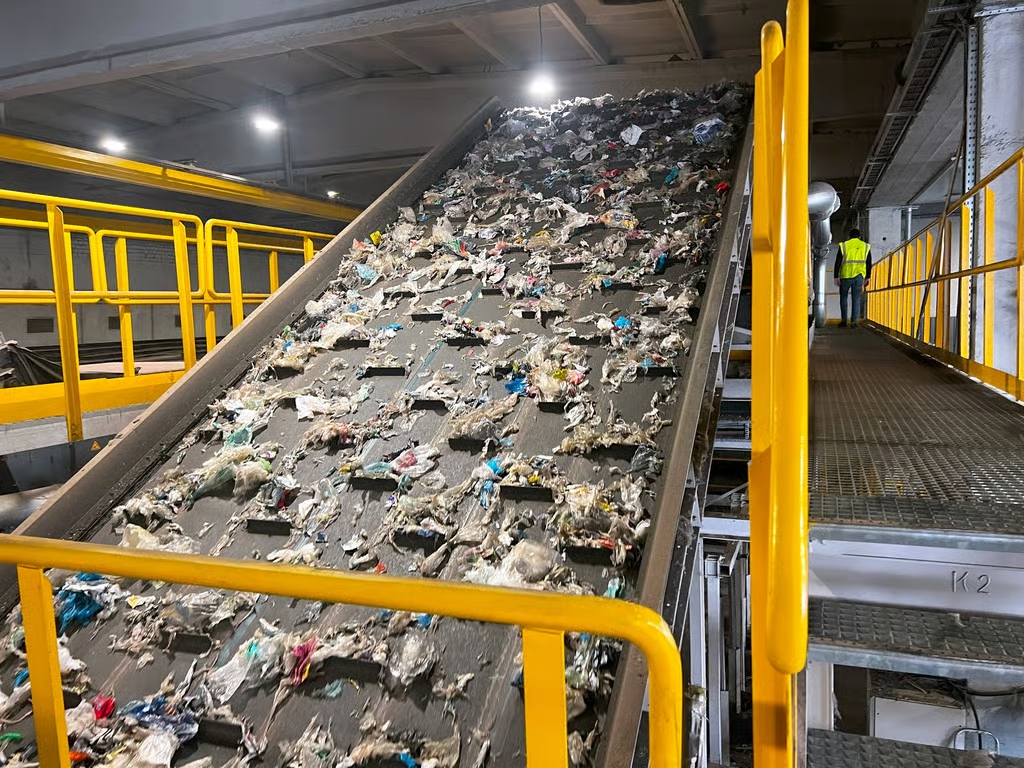
Ultimately, buyers want to know which saleable fractions a line can reliably produce, what proportion of the incoming stream those fractions represent, what they cost to produce, and who will buy them. This is why I see automated sorting as fundamental to scaling recycling: sensor-based identification, classification and automated physical separation enable higher throughput while providing consistent feedstock quality and documentation.
The value lies in reliably meeting the specifications required by the next stage of the process.
Q: Many recyclers say they need consistent feedstock, while sorters need clear specifications from recyclers. So where does the problem actually start: with the waste, the sorting, the recycling technology, or the lack of committed buyers further down the value chain?
A: The problem reflects interconnected constraints throughout the chain, with capabilities and practices differing between organisations and countries. Making requirements and downstream demand visible to sorters is essential, but specifications alone cannot create suitable feedstock, sufficient volumes or purchasing commitments.
Material constraints begin before textiles become waste. Composition, construction and finishes influence recyclability, while collection practices affect how much value is preserved. Labels alone are insufficient, so sorters need reliable material identification and verification, either through their own equipment or an external service.
But identification and clear specifications do not guarantee sufficient supply: sorters also need suitable volumes, market access and the resources to produce fractions that meet demand.
Requirements also differ between recycling processes, including purity levels and elastane limits. An elastane limit may apply to individual items or to the overall composition of a batch. A fraction suitable for one process may not be suitable for another, making it risky for sorters to produce a tailored fraction without confidence in regular sales.
Recyclers also need confidence in feedstock supply and buyers for their output. However, even where a buyer is secured, demand may be limited to a single project. Without repeat purchasing commitments downstream, investment in tailored fractions can remain risky for sorters upstream. At the same time, waiting for demand to become established before developing applications can prolong that uncertainty.
Suppliers need to demonstrate workable production routes, while brands can help define applications, support testing and commit to purchases. Without visibility into volumes, requirements and commitments, uncertainty at one stage can reinforce hesitation at the next.
Much of my work has focused on connecting requirements, available volumes and demand by integrating digital coordination into operational processes. This helps specifications reach sorters clearly, with less back-and-forth, and reduces the time and resources needed to establish production routes. Technical and commercial constraints, however, still need to be addressed. Information exchange also requires trust, particularly where prices, volumes and specifications are commercially sensitive.
No single stage explains the gap: a brand’s interest cannot make unsuitable feedstock usable, and a technically sortable fraction does not automatically have a market. Moving beyond silos means aligning technical capabilities, material supply and purchasing commitments so that workable routes can become repeatable and scalable.
Q: Europe is preparing to collect much more textile waste. What worries you more: that we will not have enough recycling capacity, or that we will collect millions of tonnes of textiles without having a viable market for the recycled output?
A: What worries me most is the mismatch between what we collect and what the chain can turn into usable products. An oversupply of mixed textile waste can coexist with recyclers struggling to secure suitable feedstock. My concern is that collection, feedstock preparation, recycling capacity and end markets continue to develop at different speeds.
Stronger demand is essential, and regulation has an important role to play in creating more predictable market conditions. The coming requirements under the ESPR could help, particularly if they incentivise textile-to-textile recycled content. To meet that demand, investment must also reach the upstream actors responsible for securing and delivering the feedstock.
Total waste volumes do not tell us how much suitable feedstock is actually available. Even where suitable material exists within the waste stream, an individual sorter may not have enough to supply a recycler over the long term. Polyester is among the most widely produced fibres; however, blends, components and finishes can limit its suitability for certain processes.
In the waste streams I have worked with, significantly less material met the purity requirements of specific chemical recyclers than its overall production volumes might suggest.
Pooling compatible fractions from several sorters could help. Sourcing across multiple operators requires coordination of specifications, quality verification, batch documentation and deliveries. Reliable identification and standardised, interoperable data can help establish whether outputs from different operators meet comparable composition, purity and quality requirements.
Collection practices determine how much potential supply survives. I have researched municipal collection and examined how differences in containers, transport, delivery practices and weather exposure affected moisture, contamination and the proportion of usable textiles received. In some cases, entire loads had to be rejected because contamination and moisture prevented the separation of textiles that would otherwise have remained suitable.
Several tonnes of potentially usable textiles could therefore be lost before sorting even begins.
For materials that are preserved but lack a viable textile-to-textile pathway due, for example, to complex composition, applications outside textiles can provide useful markets. I have worked closely with building applications, which require substantial functional and safety testing. The products we developed and installed met the same performance requirements as conventional alternatives.
Using material outside textiles should not automatically make an application less valuable; its value also depends on durability and the options available for recovery after use.
Individual projects demonstrate what is possible, but scaling the sector requires investment across the entire chain so that recycled materials can compete with conventional alternatives on price, quality and consistency. Using textile material in other applications should not automatically be seen as less valuable. Its value depends on how well the product performs, its durability and the options available for recovery after use.
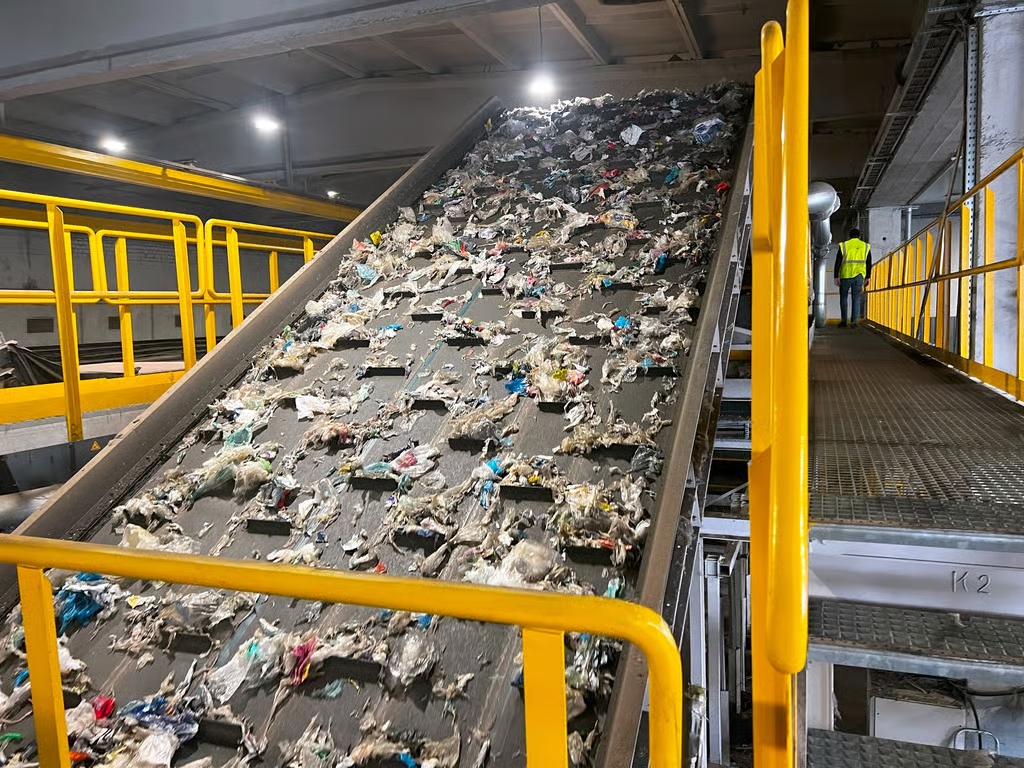
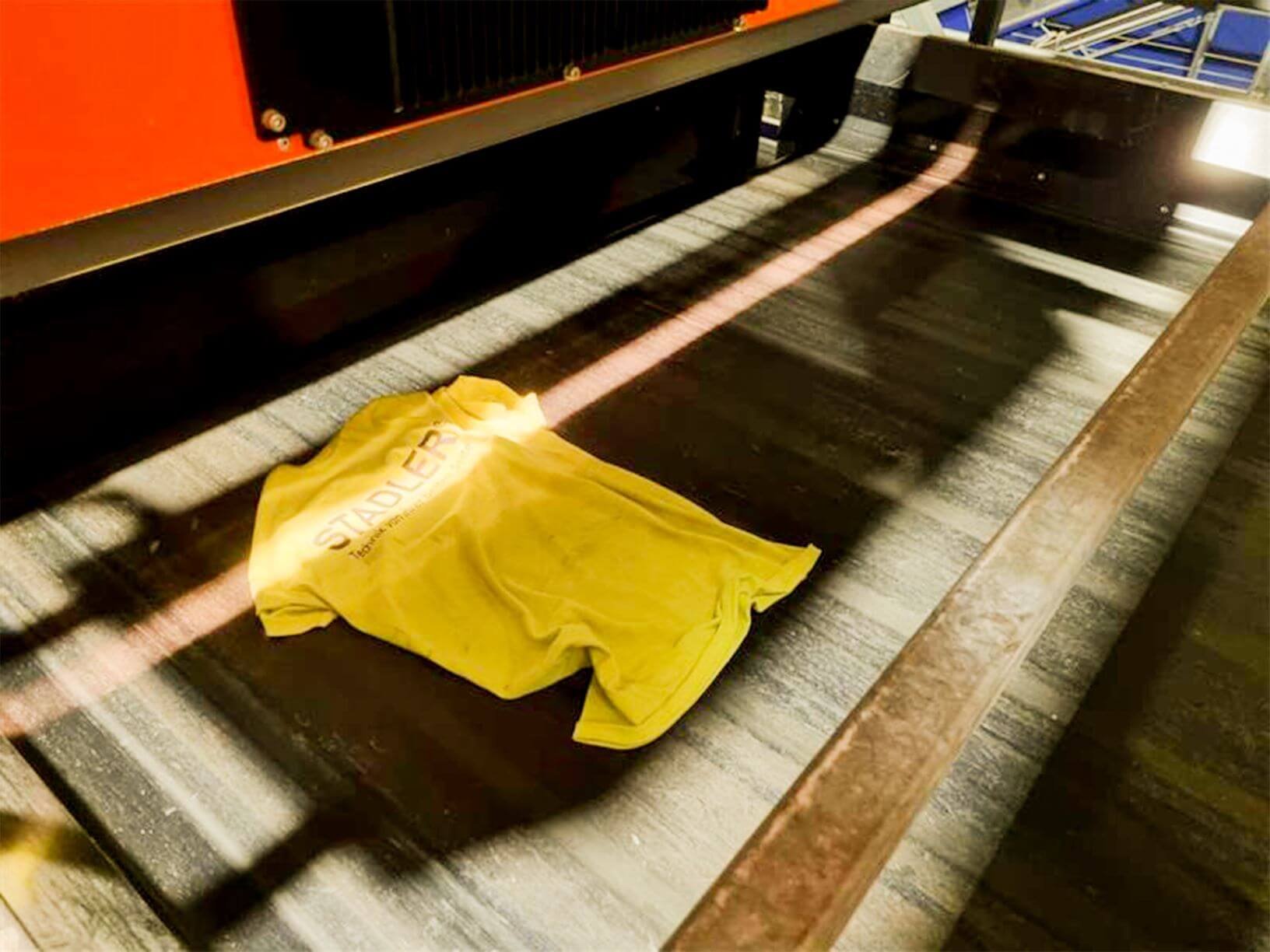
Images: STADLER, NewRetex.