
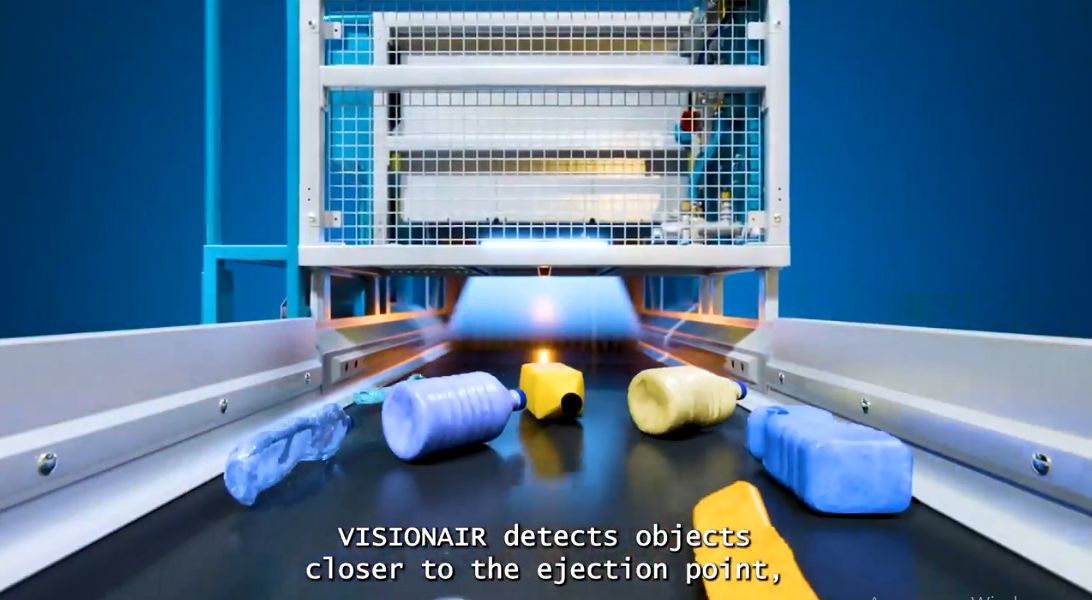


MATIQ Integrates 14 TOMRA AUTOSORT Units with AI Analytics at 250,000-Tonne UK Recycling Facility
UK recycling operator Matiq Group Ltd has expanded the sorting and process-monitoring capabilities of its Garter Street materials recovery facility (MRF) in Sheffield.
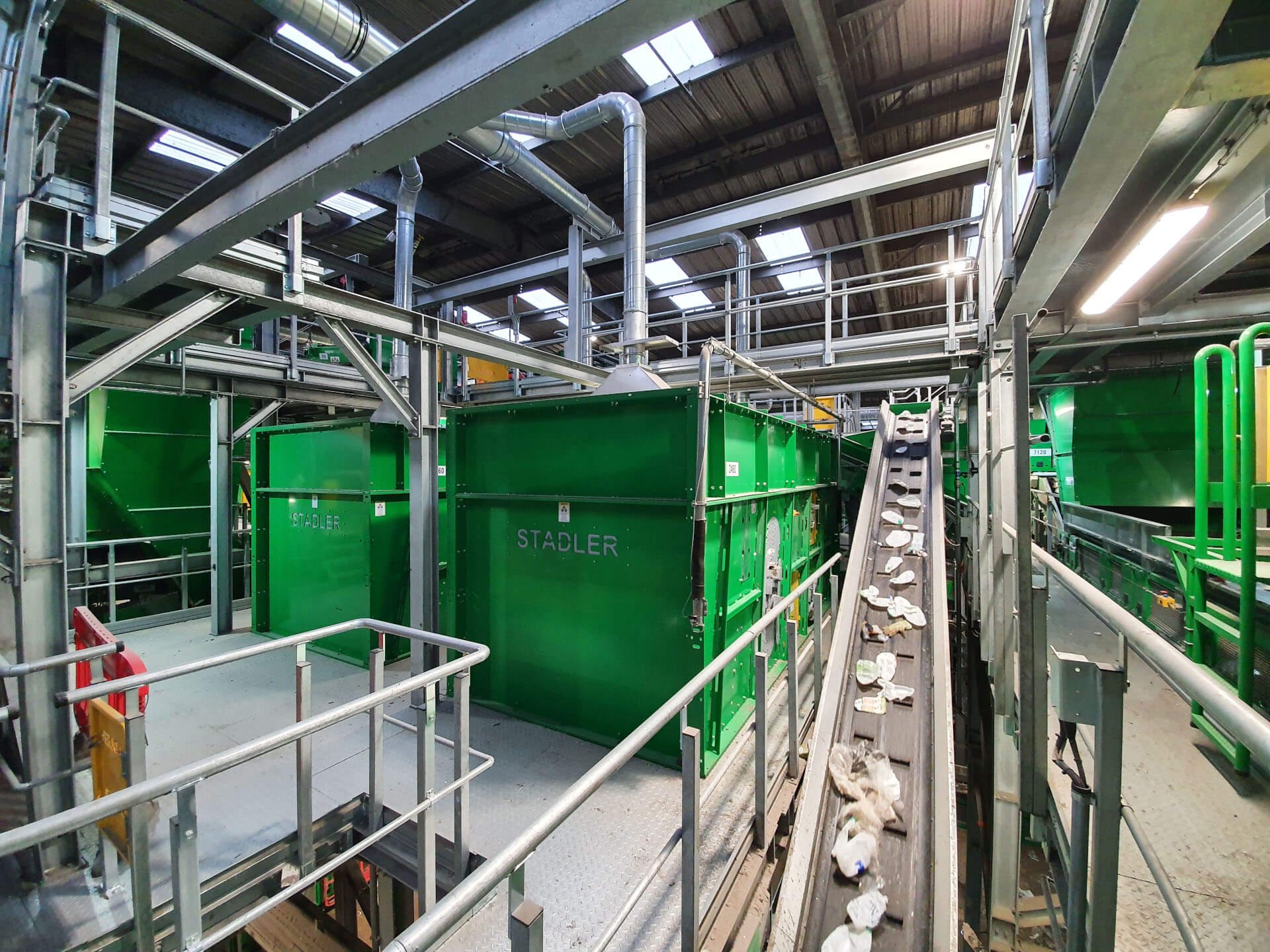
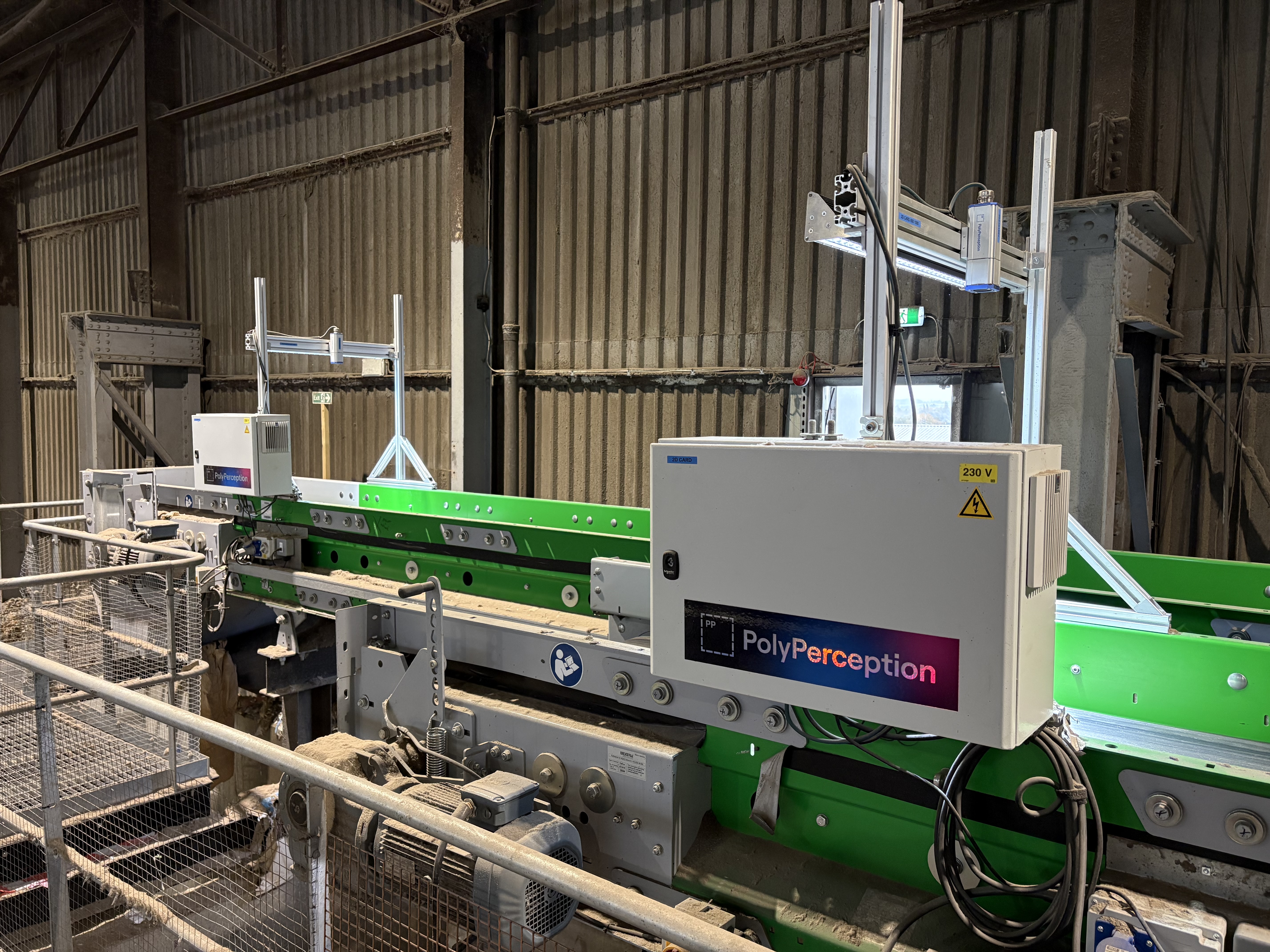
UK recycling operator Matiq Group Ltd has expanded the sorting and process-monitoring capabilities of its Garter Street materials recovery facility (MRF) in Sheffield, combining 14 TOMRA AUTOSORT™ optical sorters with 14 AI-powered waste analysers from PolyPerception. The integration provides continuous data on incoming material composition, sorting performance and the quality of recovered fractions.
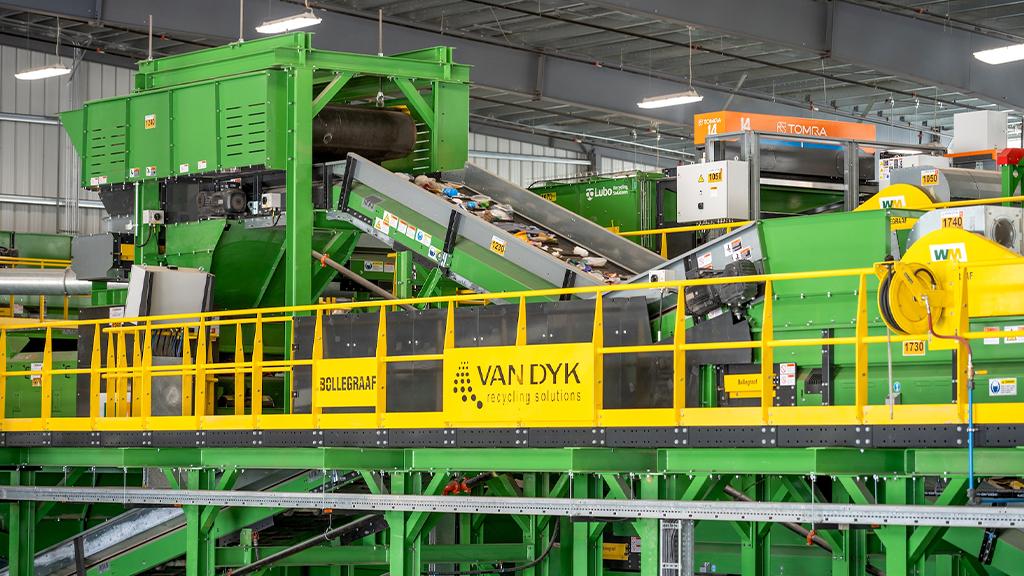
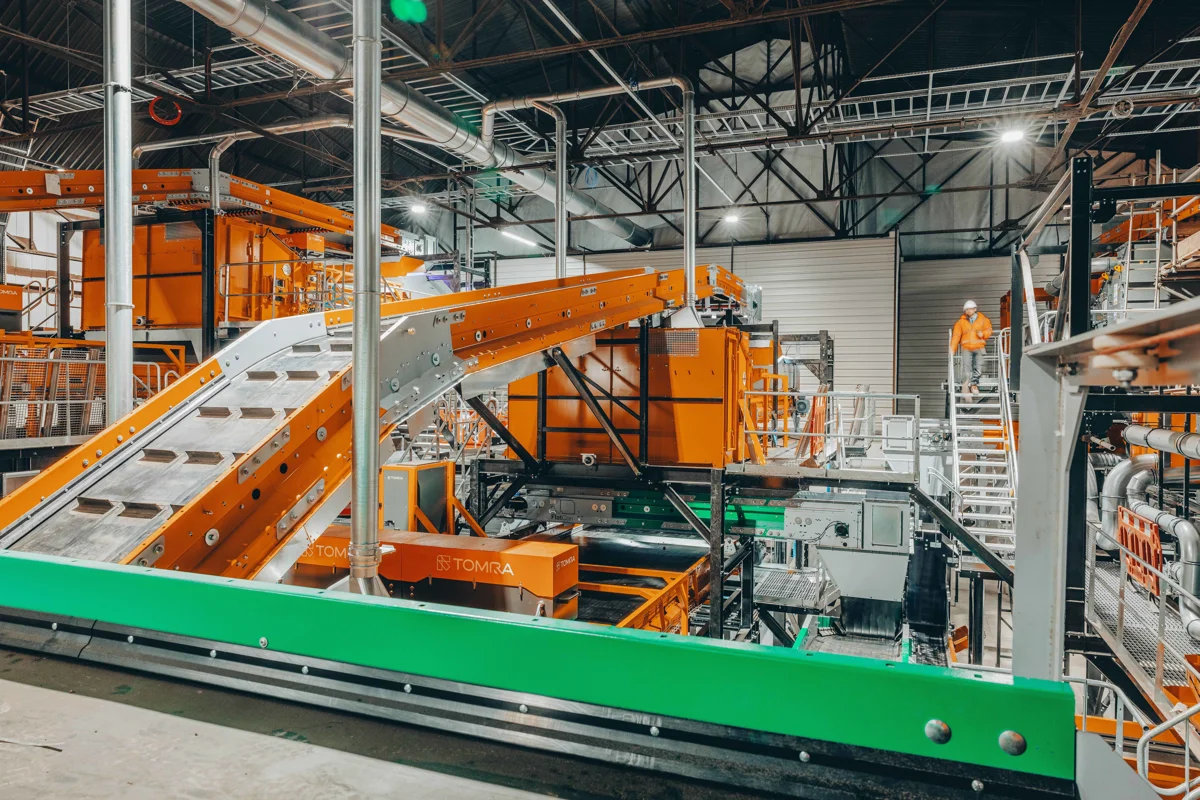
The facility, which has an annual processing capacity of up to 250,000 tonnes, was originally commissioned in early 2025. Following an upgrade completed in September 2026, three additional TOMRA AUTOSORT units brought the total number of optical sorters to 14. The plant separates mixed recyclable materials into 10 target fractions, including paper and cardboard, plastics and metals, while residual material is directed towards the production of refuse-derived fuel (RDF) and solid recovered fuel (SRF).
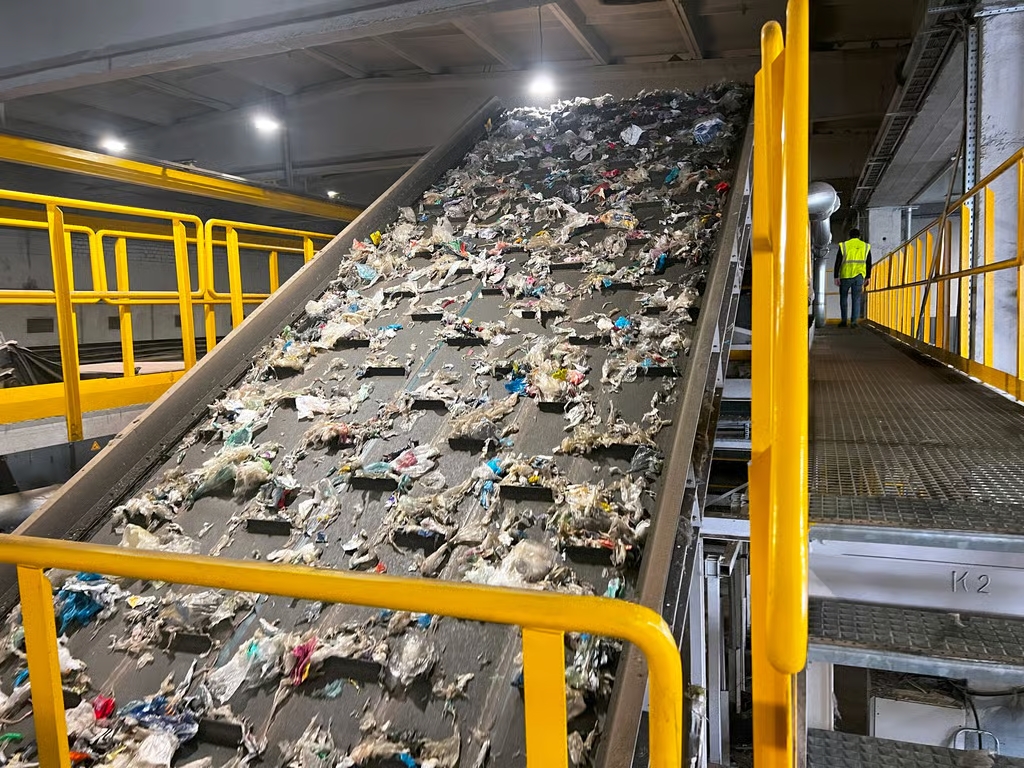
📊 Alongside the sorting equipment, 14 PolyPerception analysers have been installed at key points across the processing line. Using cameras positioned above conveyor belts, the systems identify and classify materials in real time, monitoring both incoming waste streams and sorted output fractions. This allows operators to track contamination levels, recovery rates and material losses throughout the process.
In addition, the PolyPerception AI platform enables operators to investigate changes in material composition and assess how adjustments to sorting settings affect the quality of recovered materials. It can also identify specific problematic items, including batteries and vapes, within the waste stream. Operators can query the collected data using natural language, making detailed process information more accessible for operational decisions.
⚙️ The installation is further supported by TOMRA Local Control, which provides centralised monitoring and adjustment of sorting machines from the control room. Machine status, alarms and performance data are updated every second, allowing operators to manage the equipment without accessing individual machines. Meanwhile, the cloud-based TOMRA Insight platform provides performance analytics, reporting and remote technical support.
Another important element is the use of AI-based analysis to automate quality monitoring and reporting. By continuously assessing incoming and outgoing material streams, MATIQ can move beyond periodic manual sampling towards more consistent monitoring of recovered fractions and process efficiency.