

Ensuring safety for the €65 million plant: TriPlast relies on AI-powered X-ray sorting from WeSort.AI

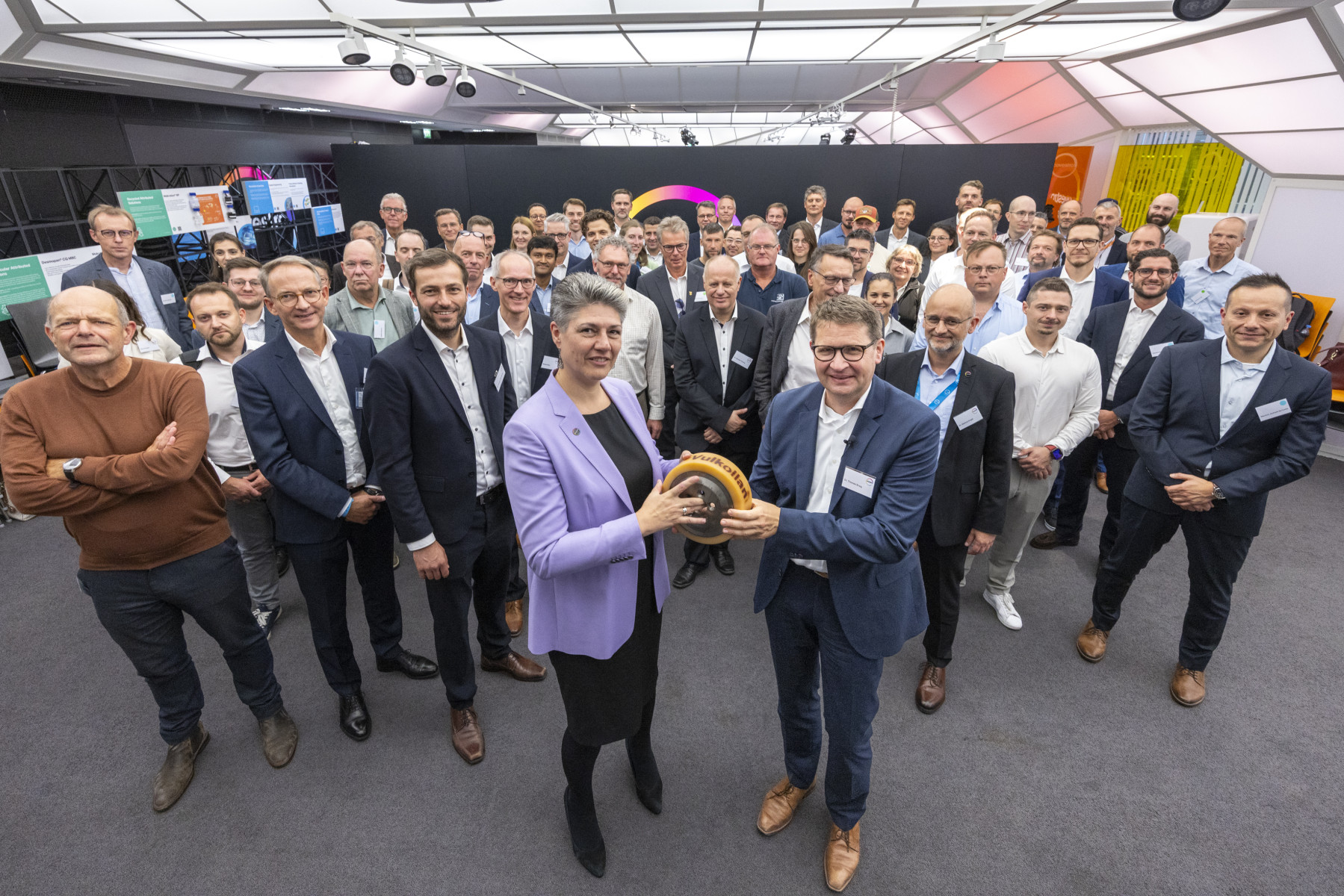
A handshake at IFAT worldwide 2026 marked the beginning of a new partnership between TriPlast and WeSort.AI GmbH.
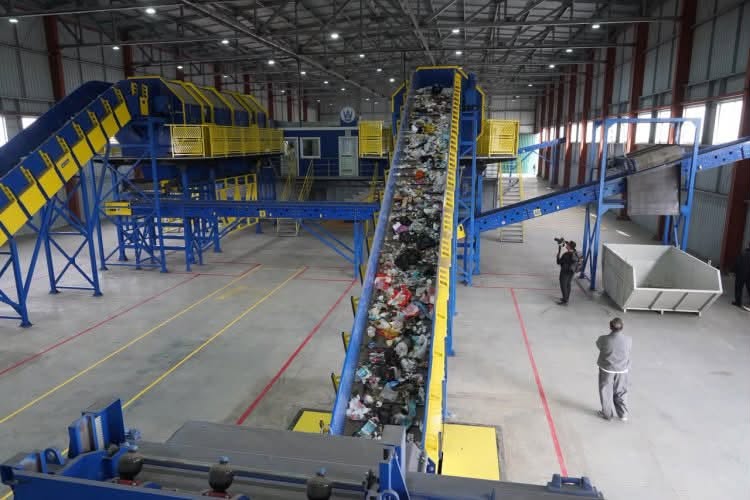
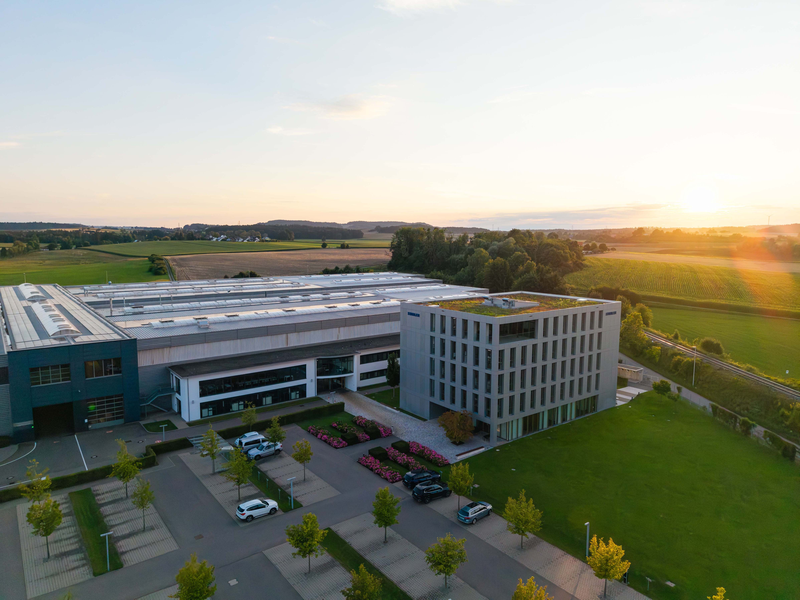
TriPlast GmbH - a joint venture between ARA - Altstoff Recycling Austria AG, Bernegger GmbH and Der Grüne Punkt – Duales System Deutschland GmbH - is equipping its state-of-the-art light packaging sorting plant in Enns, Austria, with AI-supported X-ray technology from WeSort.AI.
Starting in September 2026, the X.Sort system will operate continuously at the facility, helping protect material flows weighing several tonnes and setting new standards in recycling plant safety.
Minimising fire risks
The investment responds to one of the recycling industry's biggest challenges: lithium-ion battery fires caused by improperly discarded batteries. To protect both employees and its €65 million investment, TriPlast is adding an additional safety layer at the very beginning of the sorting process.
AI-powered pre-screening
Installed directly behind the input module, the X.Sort system uses X-ray transmission (XRT) and artificial intelligence to identify hidden batteries, e-waste and other hazardous contaminants before they enter the main sorting process.
According to WeSort.AI, the technology removes an average of 12.5 kg of hazardous materials per hour. A new AI model will also detect high-density contaminants that could damage machinery.
Supporting circular material flows
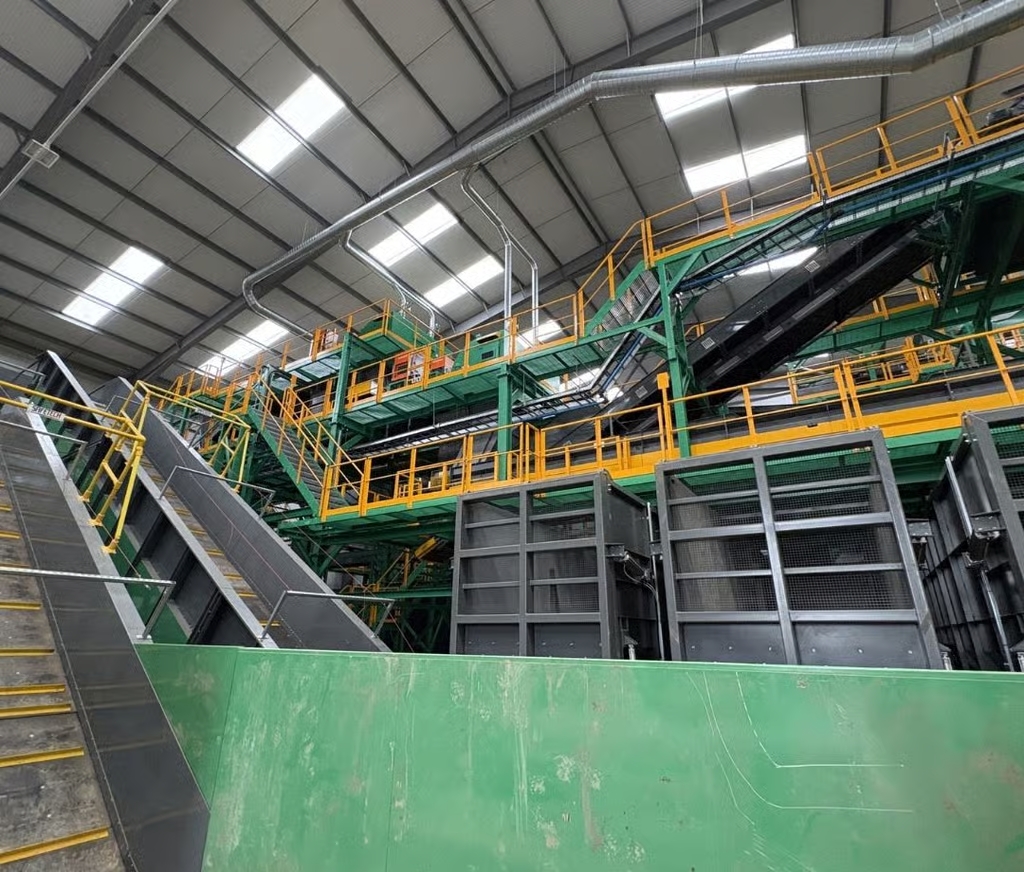
The Enns facility sorts approximately 100,000 tonnes of lightweight packaging annually into 24 high-purity material fractions. Any interruption in operations can have significant consequences for downstream recyclers and material supply chains.
Installation and final integration of the system are scheduled for September 2026.