

Spanish project targets ship emissions by turning port waste into bio-based anti-fouling materials
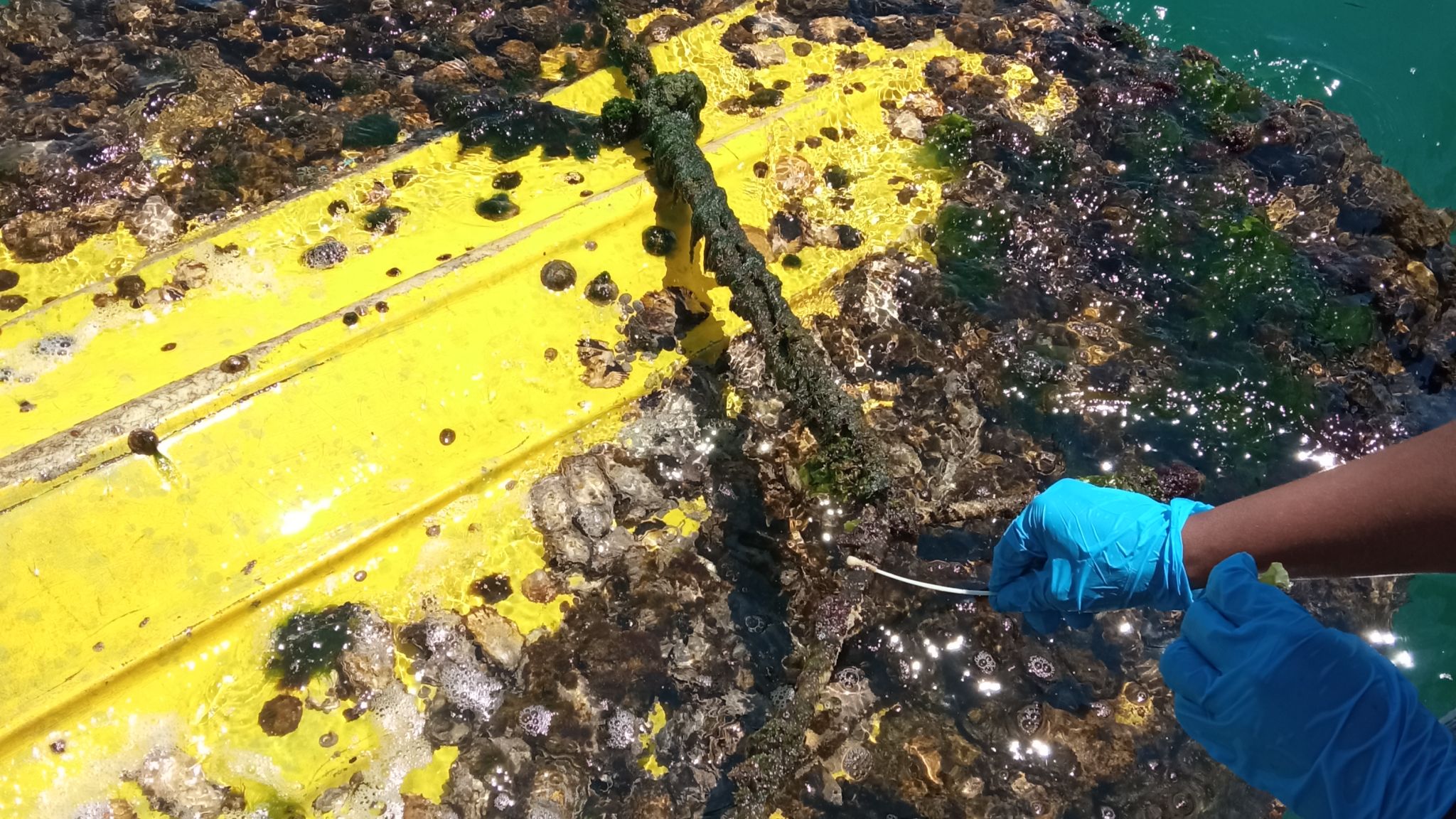
A Spanish research consortium has launched ENDFOULING, a circular economy project that converts organic waste generated in ports into bio-based additives designed to prevent marine biofouling—a major source of fuel consumption and emissions in global shipping.
🌍 According to the International Maritime Organization (IMO), biofouling can increase vessel fuel consumption by up to 9%, contributing an estimated 80–90 million tonnes of CO₂ emissions annually.
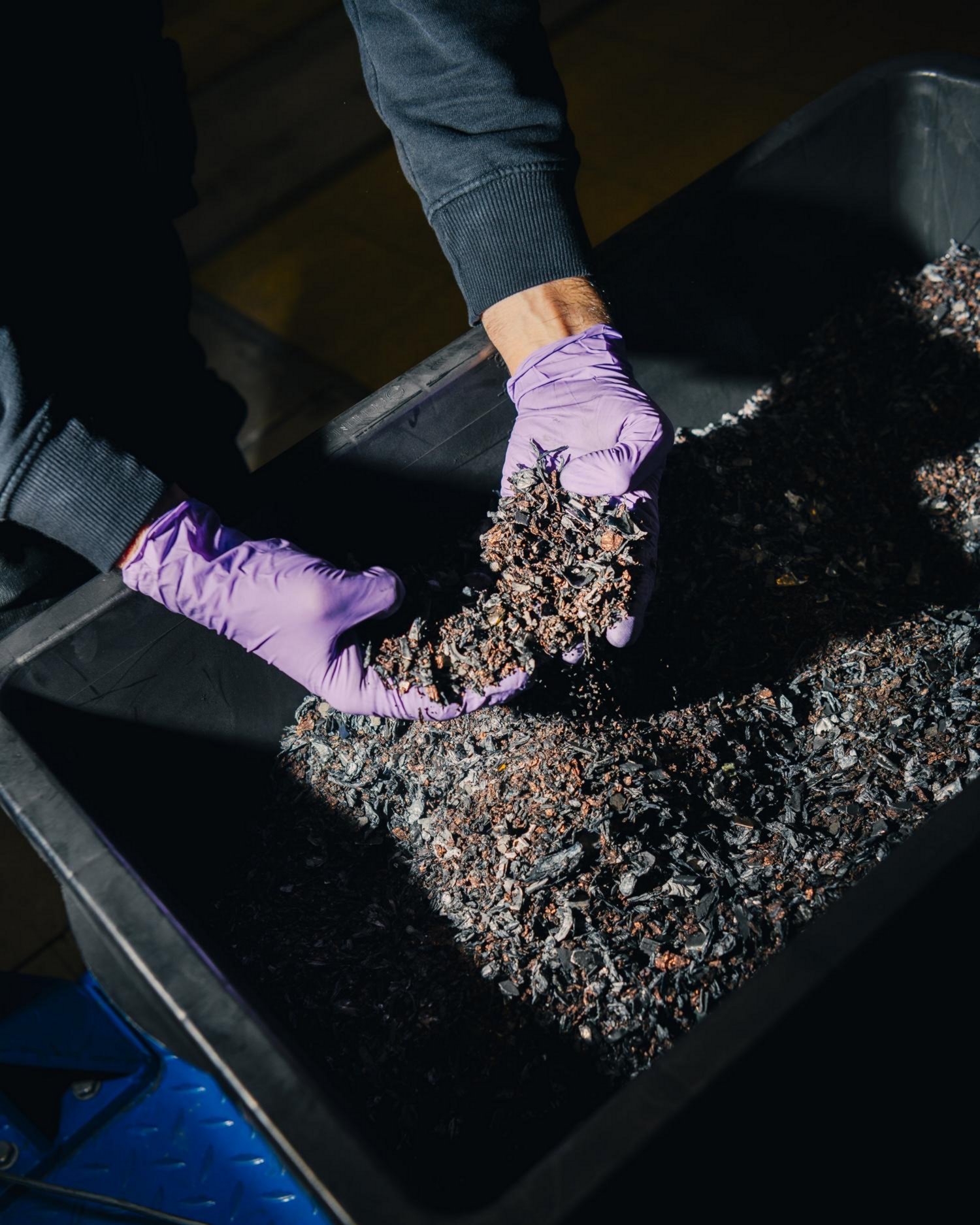
The project, led by AIMPLAS together with BiotechVana, Fundación Valenciaport and Seroil Valencia, is developing enzyme- and microorganism-based additives that can be incorporated into polymer materials used in marine applications as an alternative to conventional chemical anti-fouling solutions.
🔬 Researchers are combining artificial intelligence, bioinformatics and advanced materials engineering to optimize the biological compounds, while encapsulation technologies are being developed to preserve their long-term activity once integrated into plastic components. The resulting materials will be validated through prototype testing under real operating conditions on vessels and marine infrastructure.
By transforming port-generated organic waste into high-value functional materials, ENDFOULING aims to reduce waste, lower emissions, extend the service life of marine assets and support the transition toward a more circular maritime industry.