



A plastic waste-derived adhesive for use in the production of wood-based boards.

A plastic waste-derived adhesive for use in the production of wood-based boards.
Inter Ikea Development B.V. is investing in an Auckland, New Zealand-based start-up called Nilo Ltd. that has developed technology to create non-toxic adhesives from waste plastics.
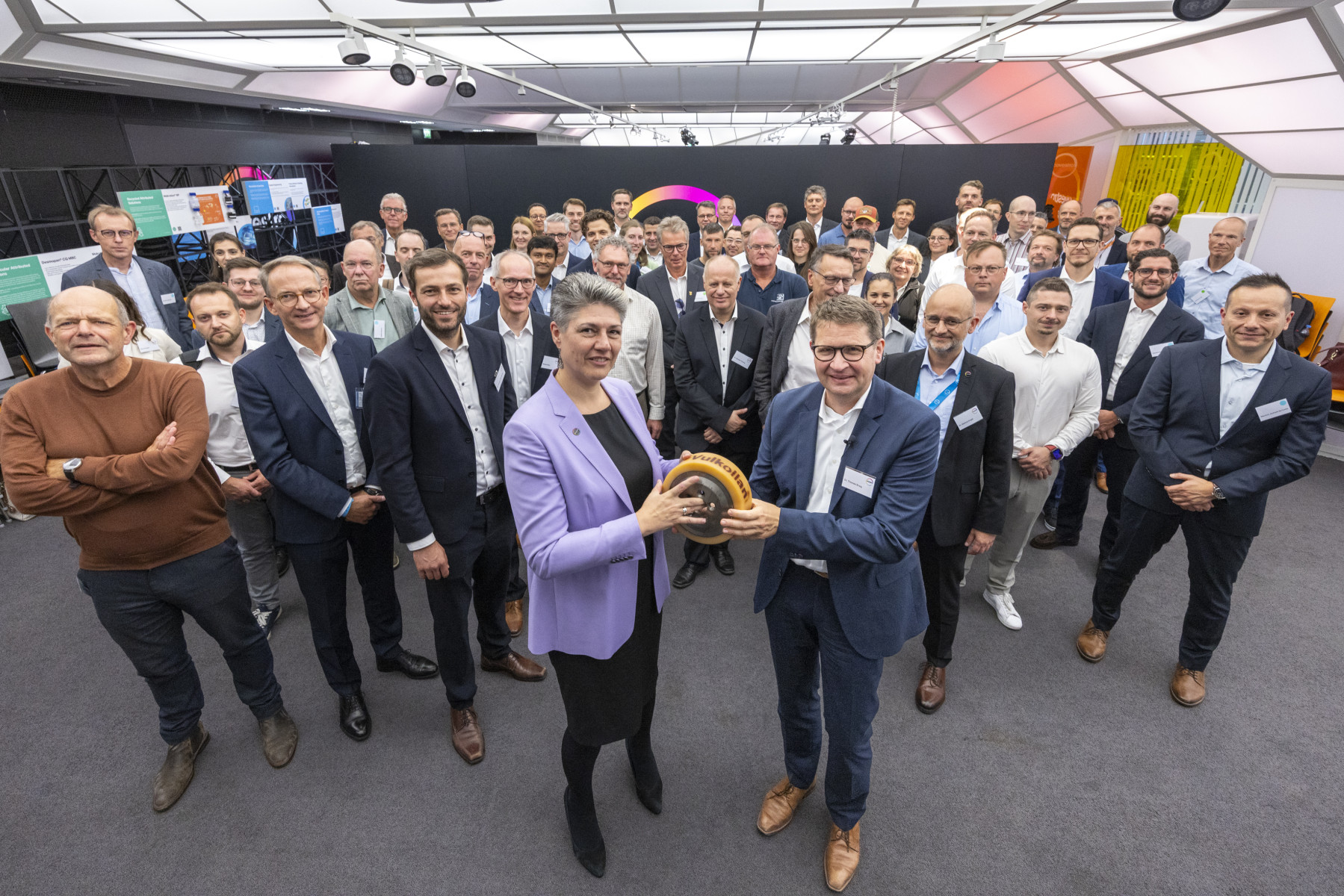
Six-year-old start-up Nilo and a subsidiary of the Swedish furniture giant have entered into a development and access agreement that will see Inter Ikea able to use Nilo’s patented plastic waste-derived adhesive in the production of wood-based boards.
Nilo converts waste plastics into commercial resins that replace harmful chemicals like formaldehyde, still commonly used for engineered timber. The companies have entered into a development and access agreement under which, among others, Inter IKEA is acquiring a 12.5-percent stake in Nilo.
“The performance and physical qualities show promise and we want to support NILO and help develop the adhesive with a mutual ambition to get it into scaled trials” said Andrew McIntosh, Innovation Partnership Leader at IKEA Innovation Ventures.
The world faces a non-degradable plastic waste challenge. 350 million tonnes of plastic waste are generated every year. Only 9% of plastic is recycled, leaving the rest to clog our landfills, incinerators and waterways. NILO’s team of chemists and engineers have created technology that repurposes this plastic waste.
The result is a non-toxic adhesive that both addresses the plastic recycling challenge and can replace one of the world’s most prevalent adhesives, urea formaldehyde.
NILO’s vision extends beyond urea formaldehyde to utilise the enormous volumes of plastic waste of grades and types currently not readily recycled to create a range of adhesives for use in different industrial applications. NILO is committed to ensuring that the performance and pricing of these adhesives are comparable to existing market alternatives so that they can readily be adapted into the value chain. Additionally, the end-of-life products created with NILO adhesives will also be able to be reprocessed into new products, an essential for the circular economy.
#circulareconomy #circulareconomynews #recycle