

BlueAlp Advances Three Chemical Recycling Projects Across Europe, Secures €21m EU Funding Support
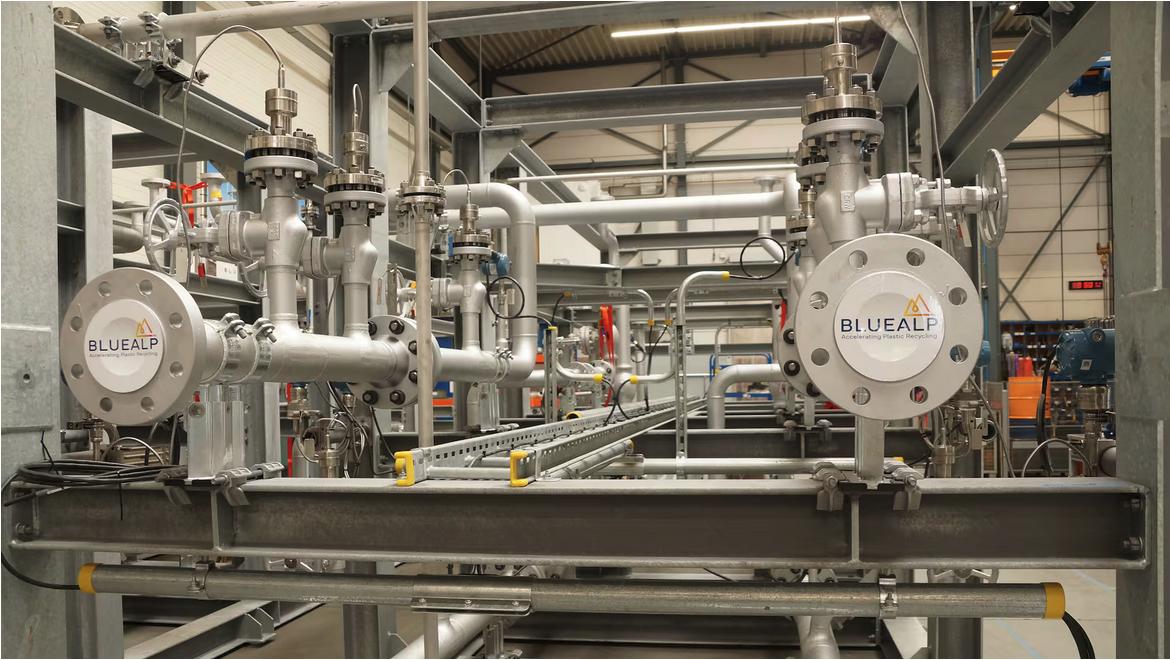
Dutch chemical recycling technology provider BlueAlp is advancing a series of pyrolysis projects in Belgium and the Netherlands.
Dutch chemical recycling technology provider BlueAlp is advancing a series of pyrolysis projects in Belgium and the Netherlands, combining a planned capacity expansion in Oostende, a new plant in Kampen and a large-scale technology development project in Rotterdam. The developments mark a further step in the company's expansion from technology licensing into the construction and operation of industrial recycling facilities.
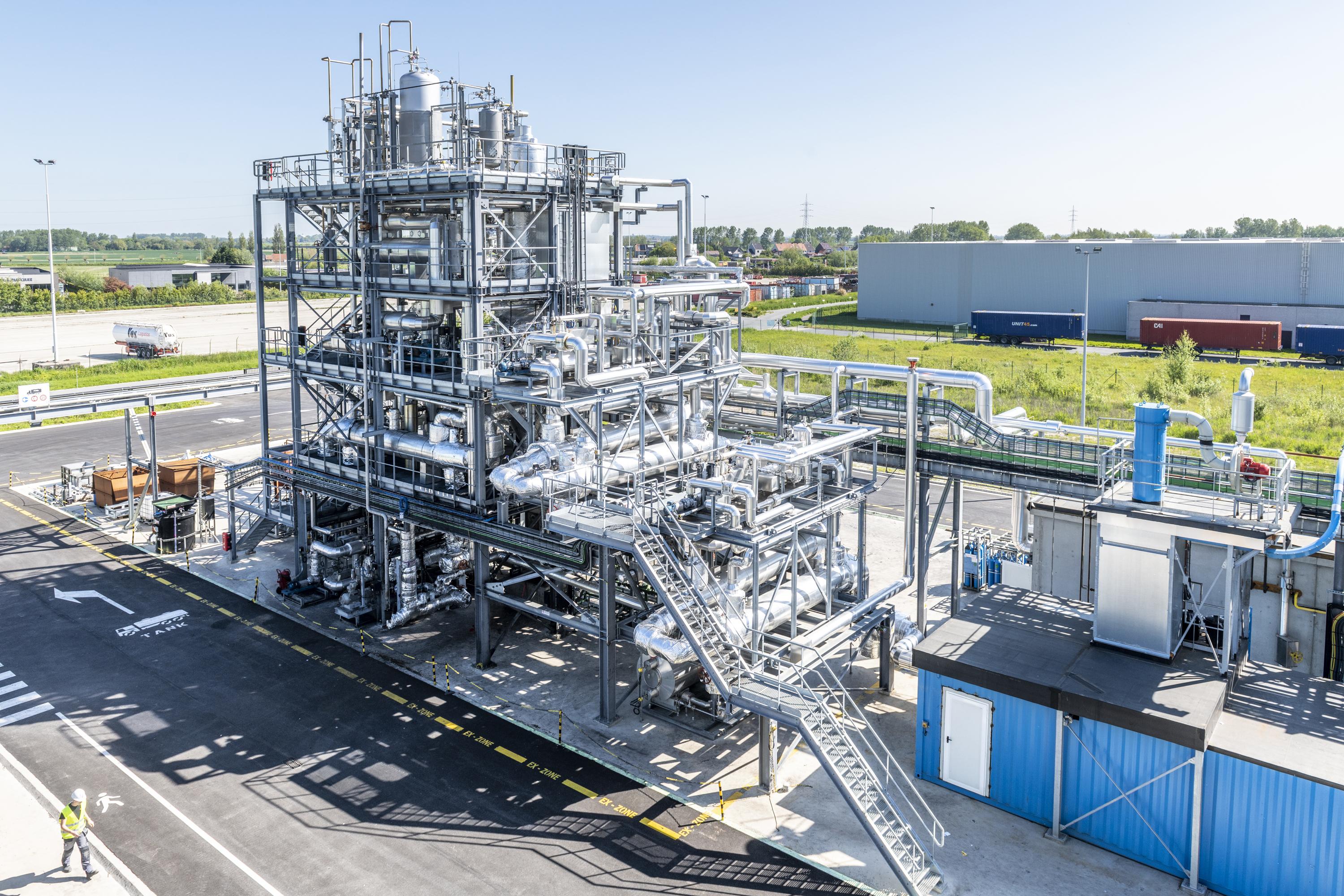
The first step will be taken in Oostende, Belgium, where BlueAlp plans to install a second commercial pyrolysis oil production line with a capacity of 24,000 tonnes per year. The new line is expected to become operational by the end of 2028, doubling the site's production capacity.
Meanwhile, the company's planned project in Kampen, the Netherlands, has been selected for €21 million in EU Innovation Fund support. The facility is designed to combine pyrolysis oil production with upgrading capabilities, using a permit previously acquired from Shell. However, the project is still entering the grant agreement preparation phase, and a final investment decision remains subject to further development work. Production is projected to start in 2029, provided the funding process is completed successfully.
In parallel, BlueAlp is working with LBC Tank Terminals on a 40,000-tonne-per-year scale-up of its reactor technology in the Port of Rotterdam. The project is currently at the front-end engineering design (FEED) stage and includes integration with the terminal's existing infrastructure.
The expansion comes as BlueAlp broadens its business model beyond licensing and equipment fabrication. Over the past year, the company has moved into developing and operating its own pyrolysis facilities. It has already delivered a plant for RES in Italy and is preparing to complete delivery of the final modules for BioBTX.
📊 However, the rollout of chemical recycling capacity in Europe continues to face market and regulatory challenges. Financing conditions remain difficult, while uncertainty surrounding recycled-content accounting, mass balance rules, imports and EU-wide end-of-waste criteria continues to affect investment decisions.
At the same time, demand enquiries for pyrolysis oil volumes from 2027 onwards have reportedly increased, particularly from brand owners preparing for the EU Packaging and Packaging Waste Regulation (PPWR), which introduces recycled-content requirements for packaging from 2030.
The European Commission is expected to clarify key calculation and verification rules, including mass balance provisions, before the end of 2026. These decisions could play an important role in determining how quickly chemical recycling projects move from engineering and planning into commercial operation.