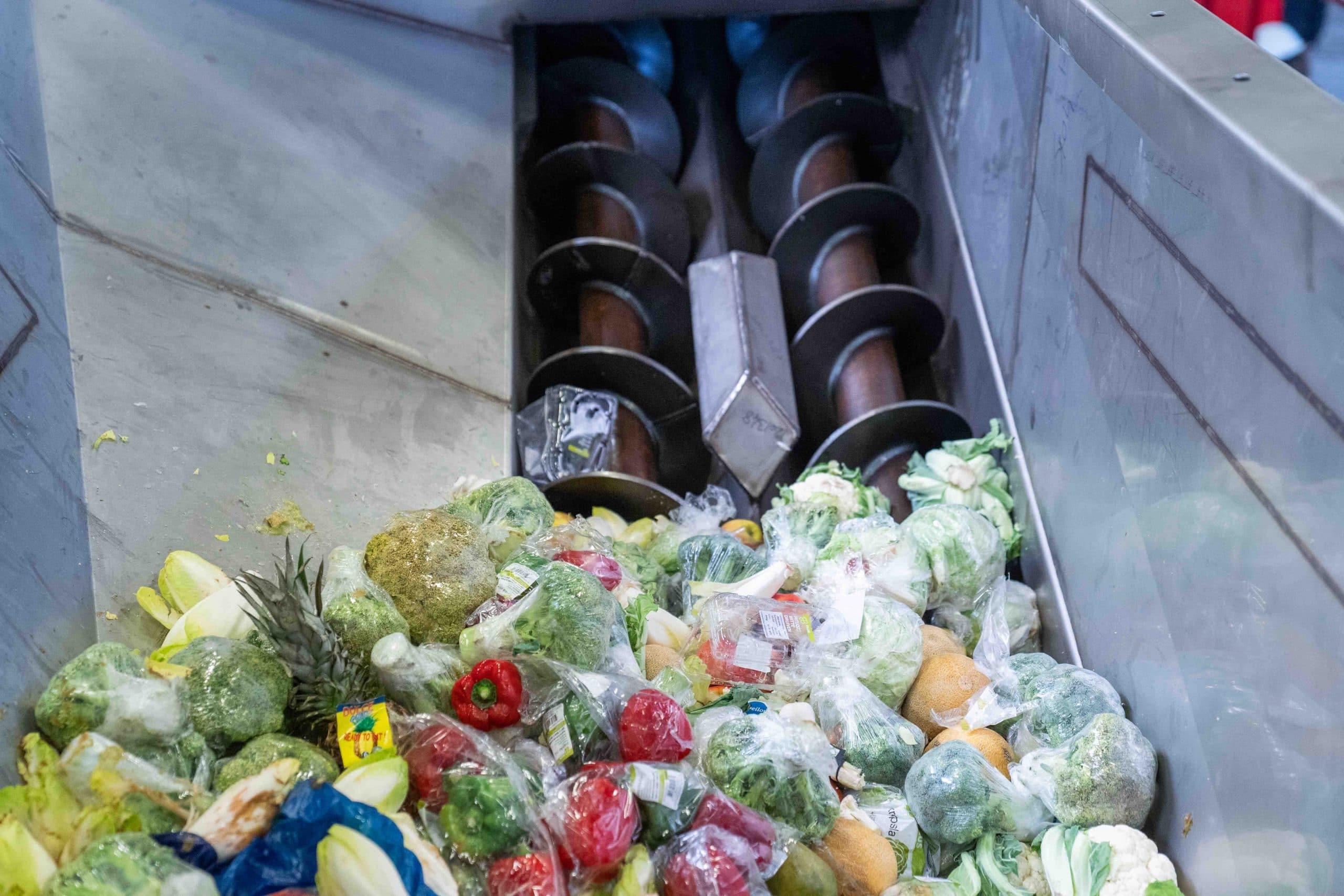



Mavitec Paddle Depacker Separates Food Waste from Packaging Without Aggressive Shredding
Waste Initiatives is showcasing the MAVITEC Paddle Depacker 2.0, which separates organic food waste from plastic packaging while minimising contamination.
Australian recycling equipment supplier Waste Initiatives is highlighting the role of depackaging technology in recovering organic materials from packaged food waste, with the MAVITEC Paddle Depacker 2.0 designed to separate food products from plastic packaging while minimising contamination of the recovered organic fraction.
At the centre of the process is a horizontal shaft fitted with paddles. Rather than using an aggressive cutting or shredding action, the rotating paddles transport and mechanically work the incoming material, breaking open packaging and releasing its contents. This allows the organic fraction to pass through the separation system while packaging residues are retained and discharged separately.
Unlike conventional shredding systems, which can fragment plastic packaging and mix it with the organic material, the paddle-based mechanism is designed to preserve a cleaner separation. According to Waste Initiatives, the system can achieve organic output purity of up to 99.7%, depending on the incoming waste stream and operating conditions.
The machine also features adjustable shaft speeds and controlled liquid dosing, allowing operators to adapt the process to different feedstocks, from liquid and wet food products to dry packaged materials.
🔧 The latest Mavitec 2.0 model incorporates several design improvements aimed at handling heavily contaminated waste streams. Hydraulic access doors allow tool-free access to the processing chamber, while interchangeable screens can be replaced without specialist tools. Redesigned paddles can bend when large foreign objects enter the machine, reducing the risk of component damage. The unit is manufactured entirely from stainless steel.
With more than 300 units operating worldwide, the technology is used in applications serving composting, anaerobic digestion and animal feed production. For biogas operators in particular, cleaner organic feedstock can reduce contamination entering downstream equipment, helping limit wear and improve process reliability.
Video by Waste Initiatives