


Recycled fishing nets turned into high-performance ropes
The EU-funded SEARCULAR project has unveiled a blueprint for more circular fishing gear after three years of development and field testing.
One of the project’s solutions is dolly ropes made from recycled polyamide recovered from end-of-life fishing nets. Unlike biodegradable alternatives, the recycled material is designed for durability and repeated use, with tests indicating higher resistance to abrasion than conventional ropes.
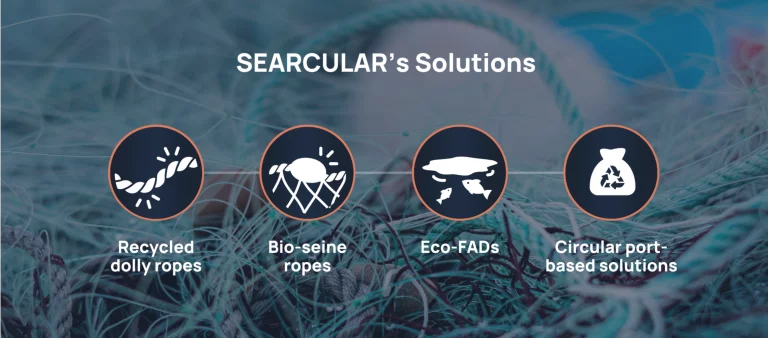
Four solutions for more circular fishing gear
• Recycled polyamide ropes made from recovered fishing nets, designed to match or outperform conventional ropes while keeping material in circulation.
• Biodegradable coatings for bottom-trawl ropes, designed to break down in seawater when exposed through abrasion. Tests showed up to three times higher abrasion resistance than conventional materials.
• Biodegradable drifting fish aggregating devices (dFADs) designed to reduce the environmental impact of lost fishing equipment.
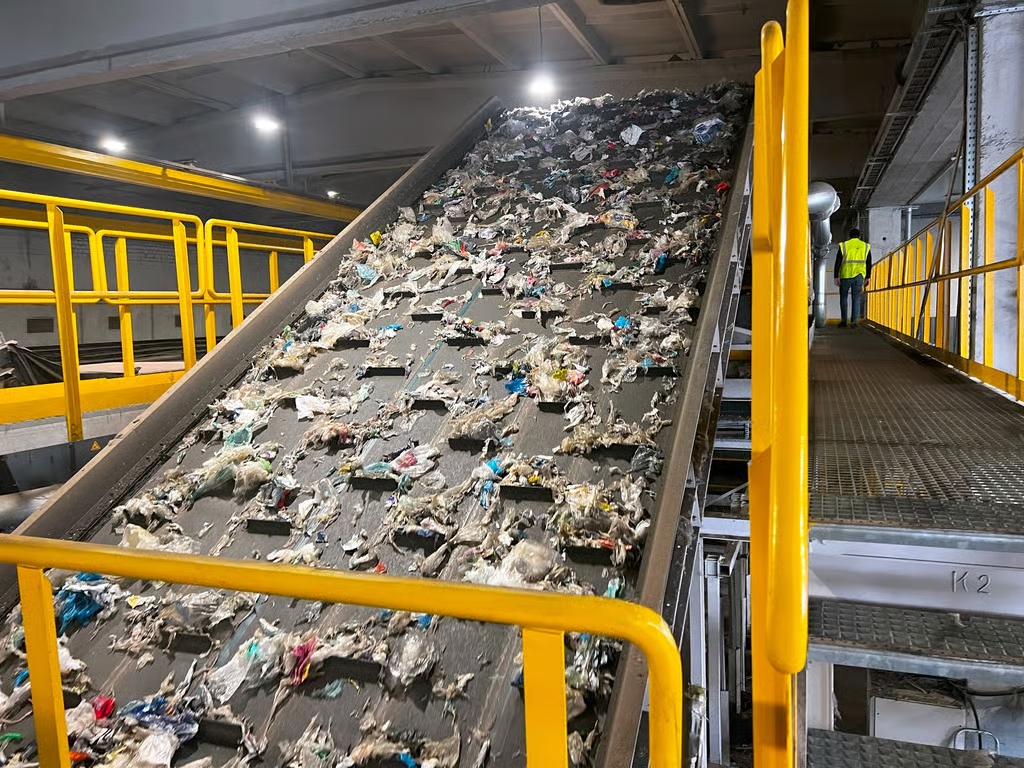
• A port-based collection and recycling system to collect, sort and prepare end-of-life fishing gear for recycling through a Plastic2Plastic approach.
Full lifecycle approach
The project’s approach goes beyond replacing individual materials. It aims to address the full lifecycle of fishing gear, from design and use to collection and material recovery.