

Sorting what the eye can see – and what it can’t
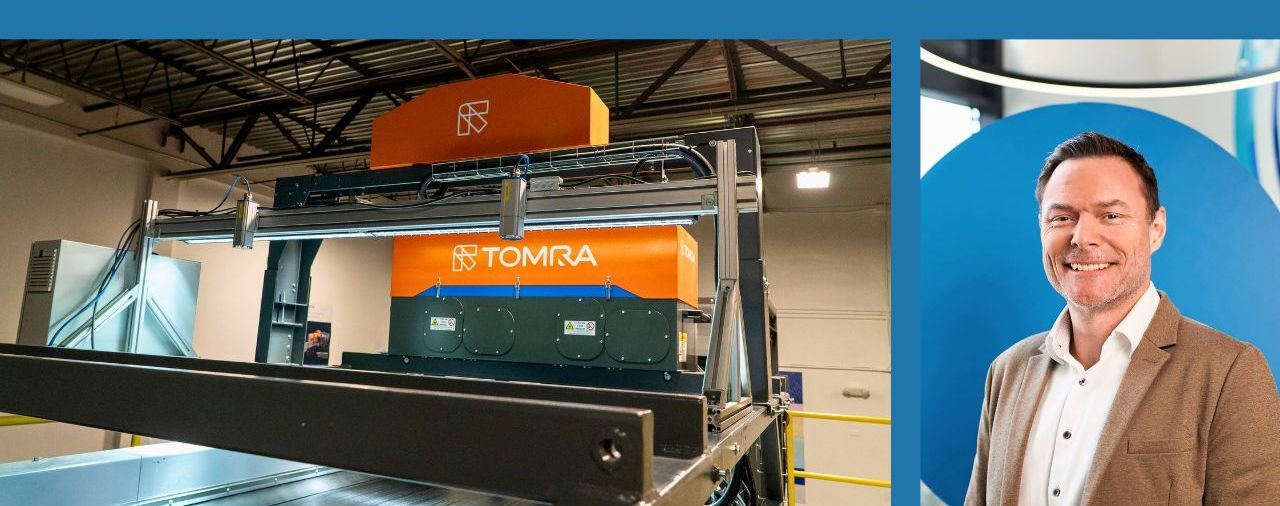
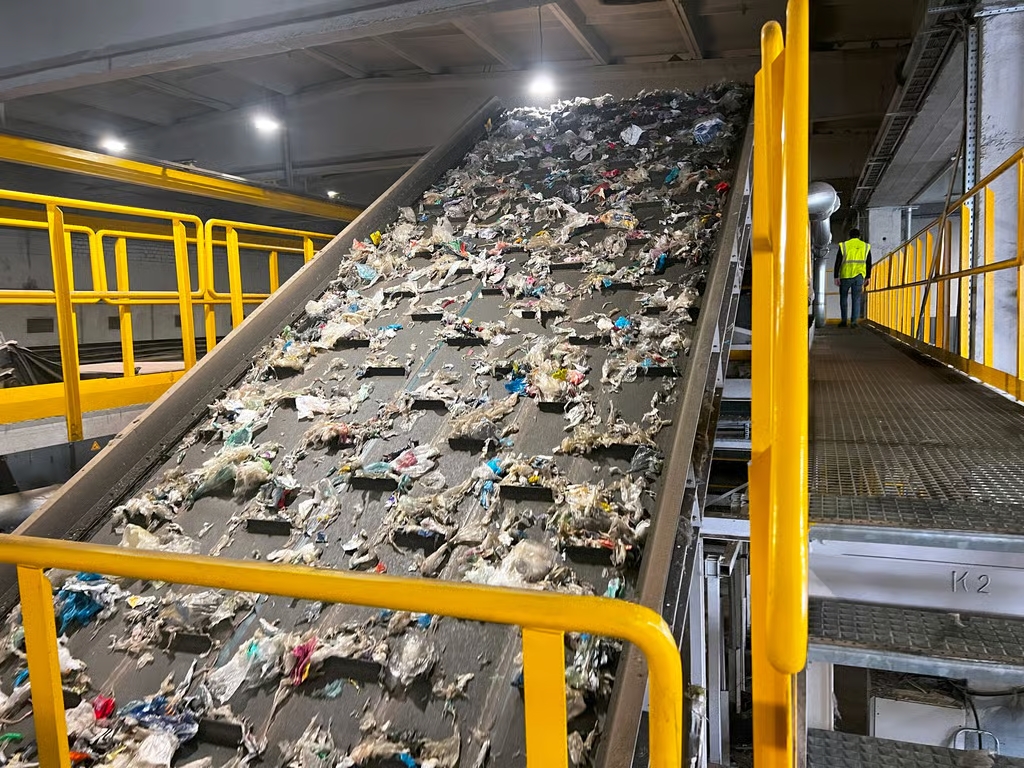
Recycling plants can identify and separate materials with increasing precision, but valuable fractions are still lost when operators lack real-time visibility into material flows, purity and process performance.
In this interview, Gudbrand Erik Arnesen, SVP and Head of Solutions at TOMRA Recycling, explains how deep learning, Dynamic LIBS and AI-powered analytics are advancing automated sorting towards autonomous, data-driven process optimisation, improving recovery rates, material quality and control across the entire recycling line.
AI and Optical Sorting
TOMRA has recently been expanding GAINnext™ and the PolyPerception platform. How is AI changing the role of optical sorting, and what practical advantages is it already bringing compared with conventional sensor-based technologies?
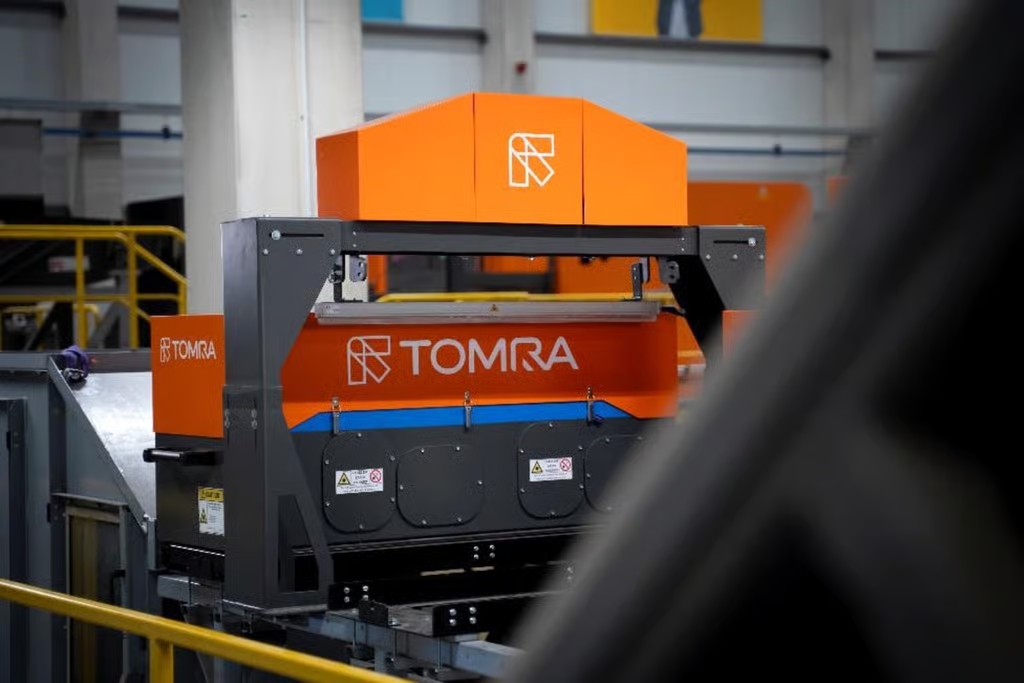
AI has always been part of TOMRA’s DNA. Our first AUTOSORT™ systems, dating back some 30 years, used basic AI principles to decide which materials to keep or reject. Today, we use deep learning at a much larger scale, which allows sorting systems to move beyond the physical limits of traditional sensors.
Deep learning is an extension of proven sensor-based sorting such as near-infrared (NIR) or colour (VIS) sensor systems. It uses colour cameras for object recognition, so our deep learning-based AI solution GAINnext™ sees what the human eye can see. Alongside material type and colour, we can now sort by shape, size, dimensions and other visual physical characteristics. Work that used to be done manually can now be automated.
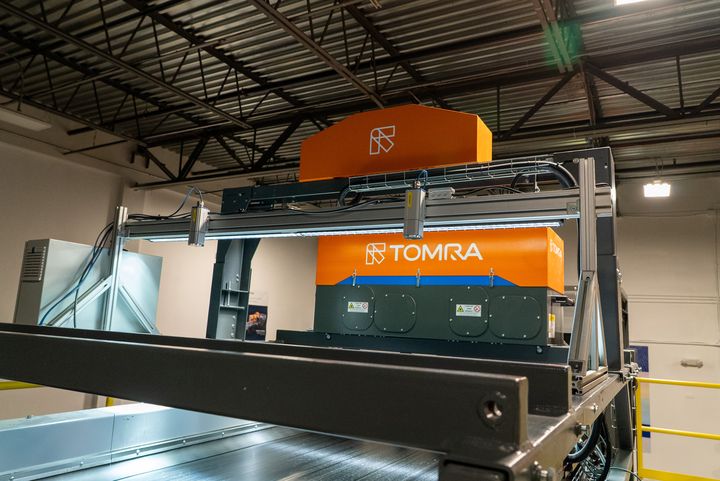
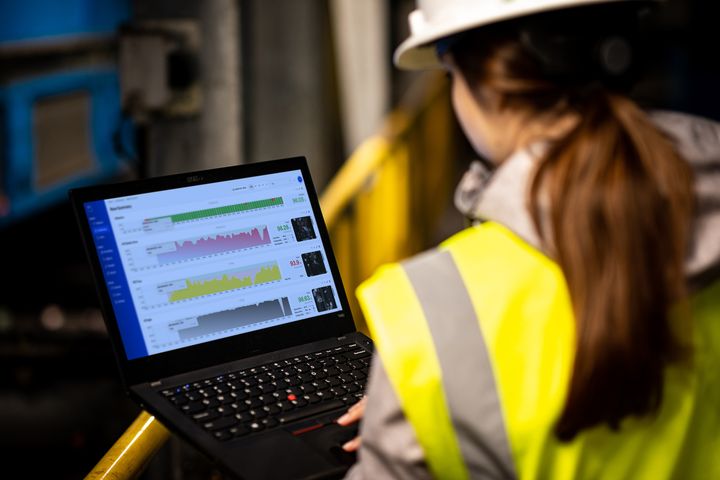
The PolyPerception Analyzer, an AI-powered waste analytics solution, uses deep learning technology and cameras positioned at key points in the sorting line to continuously monitor the quality of sorted streams and material loss.
Real-World Projects and Performance
Recent projects, such as the Nantycaws facility in the UK with seven AUTOSORT™ units, highlight the growing role of automated sorting. What factors today have the greatest impact on actual recovery rates, material purity and overall plant performance? Could you provide any specific figures showing the increase in productivity achieved with TOMRA’s equipment in a particular project, for example?
Multi-stage configuration matters more than any single machine. Other key factors are pre-treatment, matching the sensor to the sorting task, recirculation of rejects, monitoring data and close collaboration on process design and calibration. Three recent projects are good examples.
At CWM Environmental’s Nantycaws facility in Wales, seven AUTOSORT™ units work across a 2D line, which removes non-fibre material and extracts brown cardboard, and a 3D line, which separates PET, natural and coloured HDPE, PP and other plastics. A scavenger unit returns misplaced material from the reject line to the start of the process. The plant processes up to 80,000 tonnes of household and commercial recyclables a year on a single 40-hour shift, with purity above 95%. The automated setup does the work that would previously have needed around ten manual pickers.
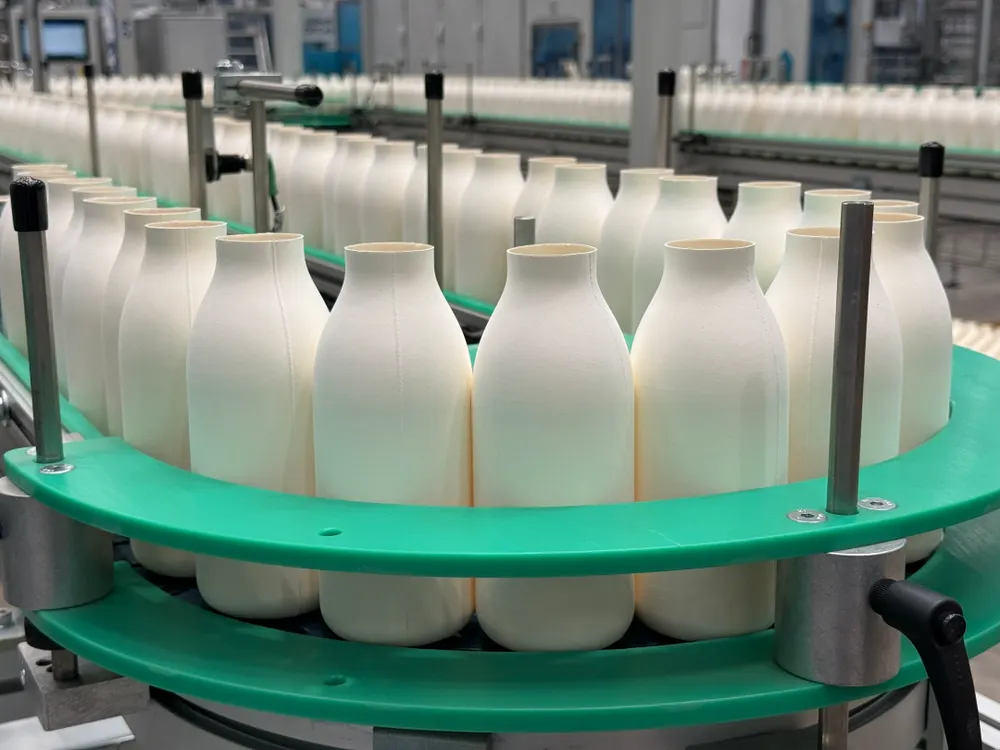
At Sulayr Recycling in Spain, we advised on machine positioning and the pre-treatment steps for the company’s tray-to-tray PET recycling process. A dual-track AUTOSORT™ and an INNOSORT™ FLAKE with a recovery stage for rejected PET deliver purity consistently above 99.8% under real operating conditions.
At Cirrec in the Netherlands, a new line with INNOSORT™ FLAKE and AUTOSORT™ FLAKE units doubled the capacity of the line it replaced while improving output quality.
In each case, the results came from the way the whole line was designed rather than from any one machine.
The Development of Dynamic LIBS
AUTOSORT™ PULSE was initially developed for aluminium alloy sorting and is now being expanded to stainless steel, heavy metals, magnesium and other applications. What technical developments have enabled this expansion, and where do you see the greatest potential for the technology?
Since its launch in 2023, AUTOSORT™ PULSE has become the benchmark in industrial-scale aluminium alloy separation, including separating 5xxx and 6xxx alloys that look identical and have the same density. Building on extensive experience in aluminium applications, internal testing and close collaboration with our customers and partners, we have expanded the system’s capabilities to additional applications.
The key enabler is our Dynamic LIBS (laser-induced breakdown spectroscopy) technology. Its dynamic laser setup analyses the elemental composition of each object and adapts to different scrap conditions. By repeatedly targeting the same point on the material, the laser effectively drills through coatings, paint, oxidation or dust to identify the composition underneath, giving it an advantage over conventional LIBS or XRF solutions. This makes it particularly effective for heavy metals and incinerator bottom ash (IBA)-derived streams.
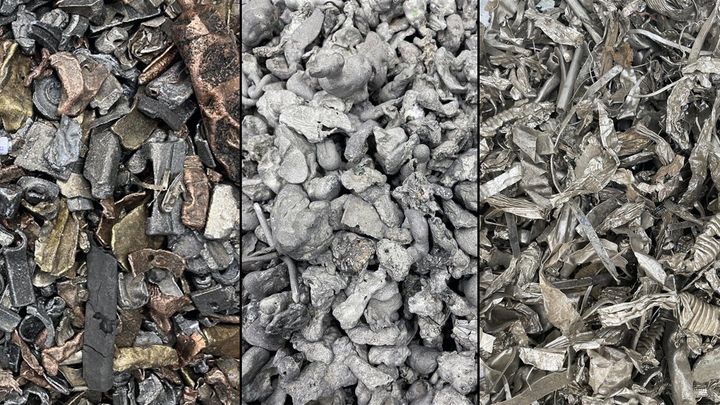
In mixed heavy metal streams, the system now sorts copper, brass, zinc and stainless steel, distinguishes zinc sheet from Zamak and separates stainless steel grades, including 316, 304 and 201. In IBA, it sorts low- and high-silicon 6xxx aluminium alloys, as well as copper and brass. It also separates magnesium from floated super-light fractions.
We also train customers’ teams to adapt sorting programmes themselves, so operators can use one machine for multiple sorting tasks.
Testing Before Investment
In April 2026, TOMRA opened its Americas Test & Training Centre in Charlotte, where customers can test AUTOSORT™, GAINnext™, AUTOSORT™ FLAKE and INNOSORT™ FLAKE using their own materials, as well as the PolyPerception Analyzer. How important are such tests before investing in sorting equipment, and what can they reveal before equipment is installed in a full-scale recycling plant?
No two material streams or plant requirements are alike, which is why we offer seven test centres worldwide where customers can test their material on our machines. The Americas Test & Training Centre in Charlotte is the latest of these.
These trials allow plant operators to see how their material behaves in a real sorting environment and understand what performance levels they can realistically expect. Customers leave with data on purity, recovery, throughput and application feasibility, as well as a clearer understanding of the optimal system configuration for their operation.
For many, it is also their first opportunity to experience TOMRA’s technology firsthand. Testing helps customers explore the full range of sorting applications our solutions support and see how flexibly they can adapt to different materials and operational requirements.
This evidence-based approach reduces investment risk and gives customers confidence that the solution will deliver the required results at full scale.
The Next Stage of Sorting Technology
Looking at the latest developments in AI, sensors, real-time material analysis and digital plant management, what do you see as the next major step in the evolution of automated sorting?
The industry is now moving towards data-driven optimisation, where decisions are based on live material composition trends. Historically, operators relied on retrospective, manual analysis to fix today’s problems with yesterday’s data.
We expect greater integration through solutions like TOMRA Local Control, our sorter control software, which enables operators to manage multiple sorters centrally and adjust the entire line as one system to maximise yield. Complementing this, the PolyPerception Analyzer acts as an automated, continuous quality auditor, providing instant visibility into material loss and purity.
PolyPerception’s recently launched AI platform lets operators interact with plant data through a conversational AI interface. They can ask why purity levels have changed or which line is underperforming and generate bespoke quality reports. Using similarity search, operators can flag one problematic object and instantly locate every visually similar item in the stream, triggering automated alerts.
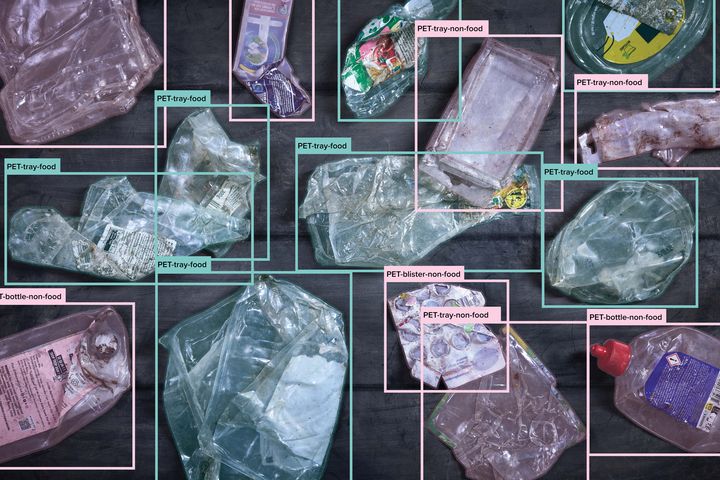
As regulations tighten, the ability to provide a digital ‘birth certificate’ for recycled material will be just as critical as the physical sorting process itself, for example proving that less than 5% of the input material is non-food-grade PET.
The Biggest Unsolved Challenge in Automated Sorting
Despite rapid advances in AI, sensors and automation, what remains the most difficult sorting challenge for recycling plants today, and what will it take to overcome it?
The real opportunity in today’s sorting is no longer material identification alone but unlocking the full potential of the entire process. That requires complete transparency and control across every stage of the operation.
Recycling plants have become increasingly automated, yet many decisions still rely on operator experience. While modern sorters can identify and separate materials with very high accuracy, plant operators often have limited insight into where valuable materials are being lost, how material composition changes over time, or which adjustment will have the biggest impact on product quality and recovery.
The next frontier is moving from automated to autonomous sorting. This requires sorters, analyzers and monitoring systems to work together, measuring material flows, composition, purity and losses in real time. By combining sensors, AI and real-time process data, plants can create a closed feedback loop where the plant continuously optimises itself against a desired specification.
Instead of operators manually balancing recovery, purity and throughput, the system continuously understands the incoming material, predicts outcomes and recommends or automatically implements adjustments to keep output quality on target.
Achieving this vision requires more than advances in AI alone. It requires tighter integration between analyzers, sorters and plant-wide digital systems to create transparency at every stage of the process. When that happens, operators will gain far greater control over their output materials, while sorting facilities will be able to maximise both recovery and material value.