



Latest Posts

As of January 1, 2025, states including California, Oregon, and New York have enacted bans on expanded polystyrene (EPS) foam products commonly used in foodware, packaging, and coolers. The legislation targets items such as takeout containers, foam cups, and packing peanuts.
Extracting valuable metals from used lithium-ion batteries just got easier! 🌱🔋 A new method uses plant oil and water to clean the "black mass"—a low-value mix of anode, cathode, and other materials—in just minutes at room temperature.
The leftover stems and leaves of the potato are the world’s largest untapped agricultural feedstock. Currently pulverised and incinerated, this unusable organic material cannot be fed to livestock or turned into quality fertiliser.
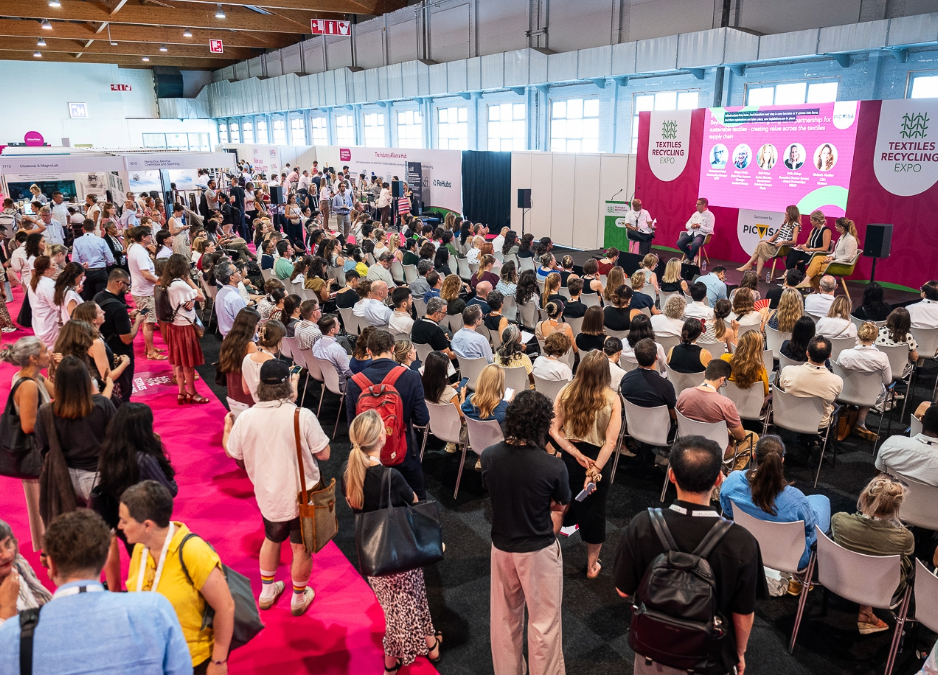
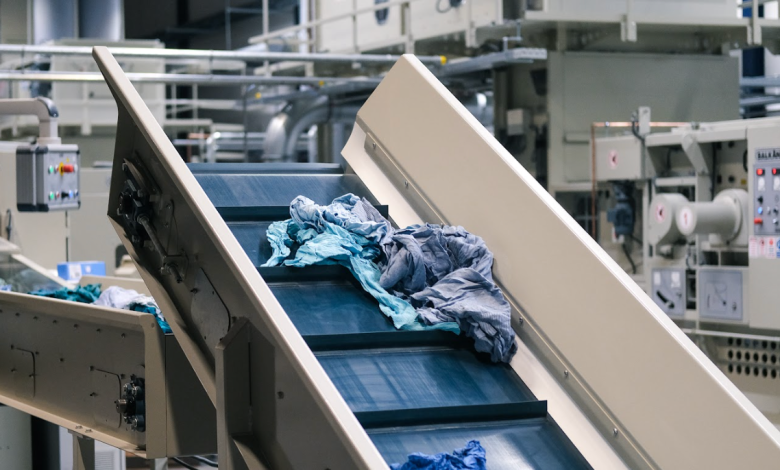
A pioneering textile-recycling bill SB 707 has successfully passed the California Assembly Natural Resources Committee (US). Known as the Responsible Textile Recovery Act of 2024, this legislation establishes a comprehensive Extended Producer Responsibility (EPR) programme.

Under this programme, producers will be required to implement and fund initiatives aimed at facilitating the reuse, repair, and recycling of clothing and textile fibres, the California State Senate said in a press release.

It also supports ongoing state efforts to encourage the repair and reuse of clothing and textiles. SB 707 is expected to drive a transition towards a sustainable, market-aligned, and circular economy for textiles.

In addition to its environmental benefits, the bill will strengthen the ability of thrift stores and charities to manage unsellable garments. It will combat textile waste by incentivising the use of more sustainable and easier-to-recycle materials.

In 2021, approximately 1.2 million tons of textiles were disposed of in California. Despite 95 per cent of textiles being reusable or recyclable, only 15 per cent are currently recycled or reused.

Subscribe Our Newsletter To Get Latest Update

Circular Economy News