

OSR and Cleansort: More Than 20,000 Tonnes of Aluminium Sorted with LIBS
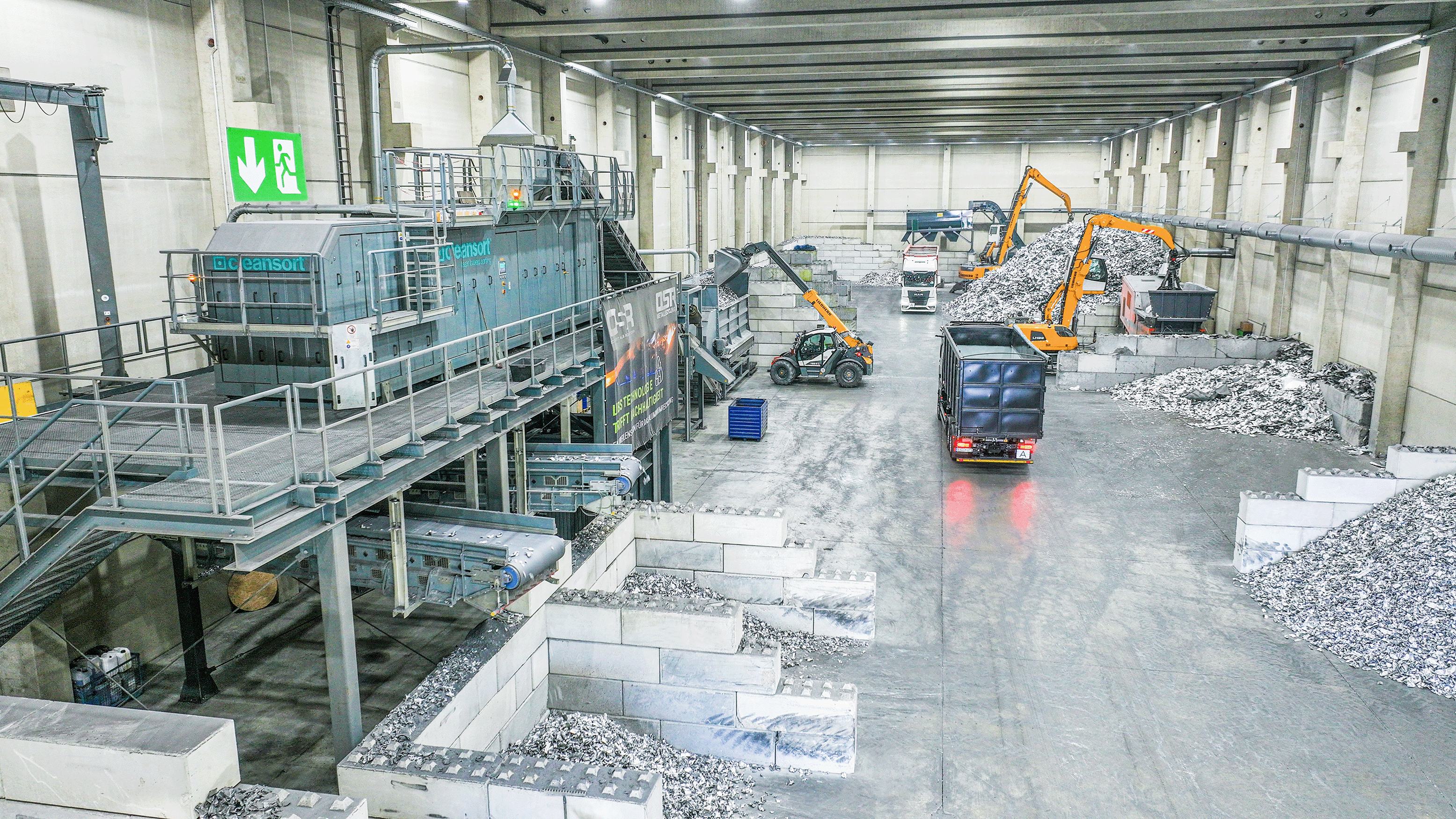
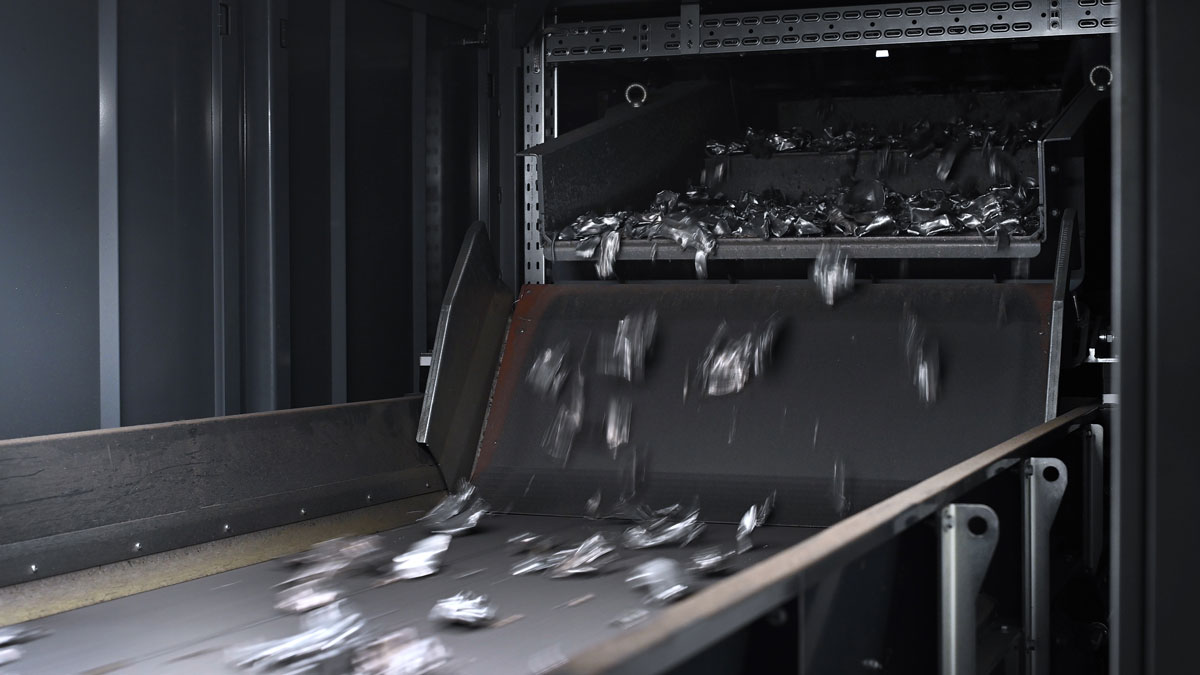
Four years ago, OSR introduced Cleansort's laser-based LIBS sorting technology as a pioneering project, laying the foundation for industrialising the process. Building on this milestone, a commercial project for sorting OEM automotive scrap was launched. More than 20,000 tonnes have already been sorted into high-purity 5000 and 6000 series aluminium fractions.
An independent life cycle assessment by EurA AG found that LIBS-sorted aluminium can deliver up to 98% lower CO₂ emissions compared with primary aluminium. In total, 142,000 tonnes of CO₂ have been avoided.
How the technology works
The system uses a patented two-stage process. First, pre-ablation cleans the material surface. The material then undergoes LIBS (Laser-Induced Breakdown Spectroscopy) analysis, which determines the alloy composition within a few thousandths of a second.
According to the life cycle assessment, the carbon footprint of LIBS-sorted aluminium is 229 kg CO₂e per tonne.
Compared with primary aluminium, the reported savings are:
- 7,463 kg CO₂e/t for 5000 series alloys, or 98%
- 6,763 kg CO₂e/t for 6000 series alloys, or 97%
OSR powers the sorting operation with 100% renewable energy, increasing the reported savings rate for both alloy classes by one percentage point.
Continuous industrial operation
The system now operates continuously, in some periods running three shifts, after four years of industrial use.
The project began in 2022 and was developed under real recycling conditions, with support from the German Federal Environmental Foundation (DBU).
The results show how LIBS sorting can move from technology development to continuous industrial separation of aluminium alloys at scale.
Source: OSR / Cleansort, October 1, 2026.
Full case study: Cleansort & OSR – From Innovation to Industry Standard