

LEGO Starts Scaling e-Methanol in Plastic Production
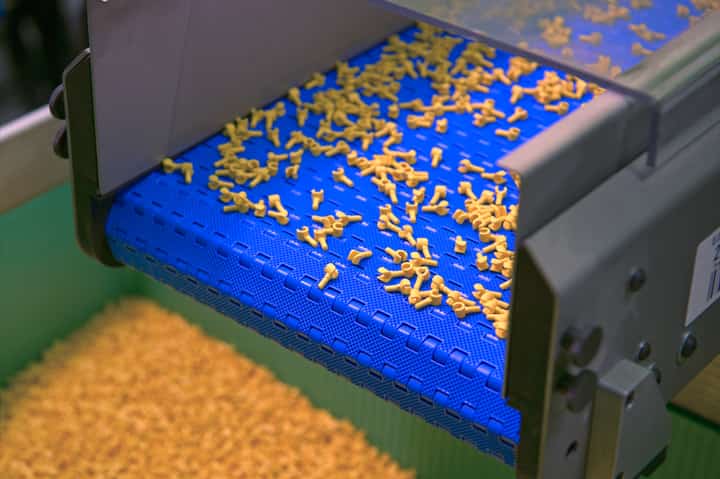
The LEGO Group has started using e-methanol, a renewable material, to help make more than 90 robust and rigid LEGO elements, including cross axles, connectors, steering wheels and Minifigure hands.
The development is the result of a partnership between LEGO Group and European Energy to support the industrial-scale production and use of e-methanol.
From alternative feedstock to industrial production
European Energy produces the e-methanol using renewable energy, hydrogen and carbon captured from a biogas facility. The resulting material can be used as a renewable alternative feedstock for plastic production.
The partnership between LEGO Group and European Energy has involved more than five years of testing, learning and scaling to integrate e-methanol into LEGO's plastic production.
Scaling within an existing production loop
The challenge was not only developing an alternative feedstock, but also integrating it into existing manufacturing infrastructure and production methods.
LEGO is now feeding e-methanol into a continuous production loop where virgin fossil material is also present. According to the company, this allows the solution to be scaled while reducing the use of virgin fossil material.
The first applications include more than 90 robust and rigid elements, such as cross axles, connectors, steering wheels and Minifigure hands.
From Kassø to LEGO production
The e-methanol is produced at European Energy's Kassø facility in Denmark, which was developed for commercial-scale e-methanol production.
The project connects renewable energy, hydrogen and captured biogenic carbon with an established plastics manufacturing chain, creating a route for introducing alternative feedstocks into existing industrial production.
A wider materials strategy
LEGO describes the introduction of e-methanol as one milestone in its broader effort to increase the use of recycled and renewable materials in its products without compromising safety, quality or durability.
The project also illustrates a wider industrial challenge: developing an alternative feedstock is only one part of the transition. Integrating it into existing production infrastructure and scaling the process can be equally important.
Source: The LEGO Group, September 30, 2026.
Read more: LEGO Group: Recycled and renewable materials