




PICVISA tests automated sorting in the race to close the footwear recycling loop
Recycling footwear remains one of the more difficult challenges for the circular economy. Shoes combine multiple materials, colours and components, making automated identification and separation technically challenging .
A report from Fashion for Good and Circle Economy analysed 1,200 post-consumer shoes and found that 50% were non-rewearable. The study also found that 37.7% of sole materials in the non-rewearable fraction could not be identified using NIR scanning.
As part of the Closing the Footwear Loop project, Spanish sorting technology specialist PICVISA tested the automated sorting of shredded footwear materials.
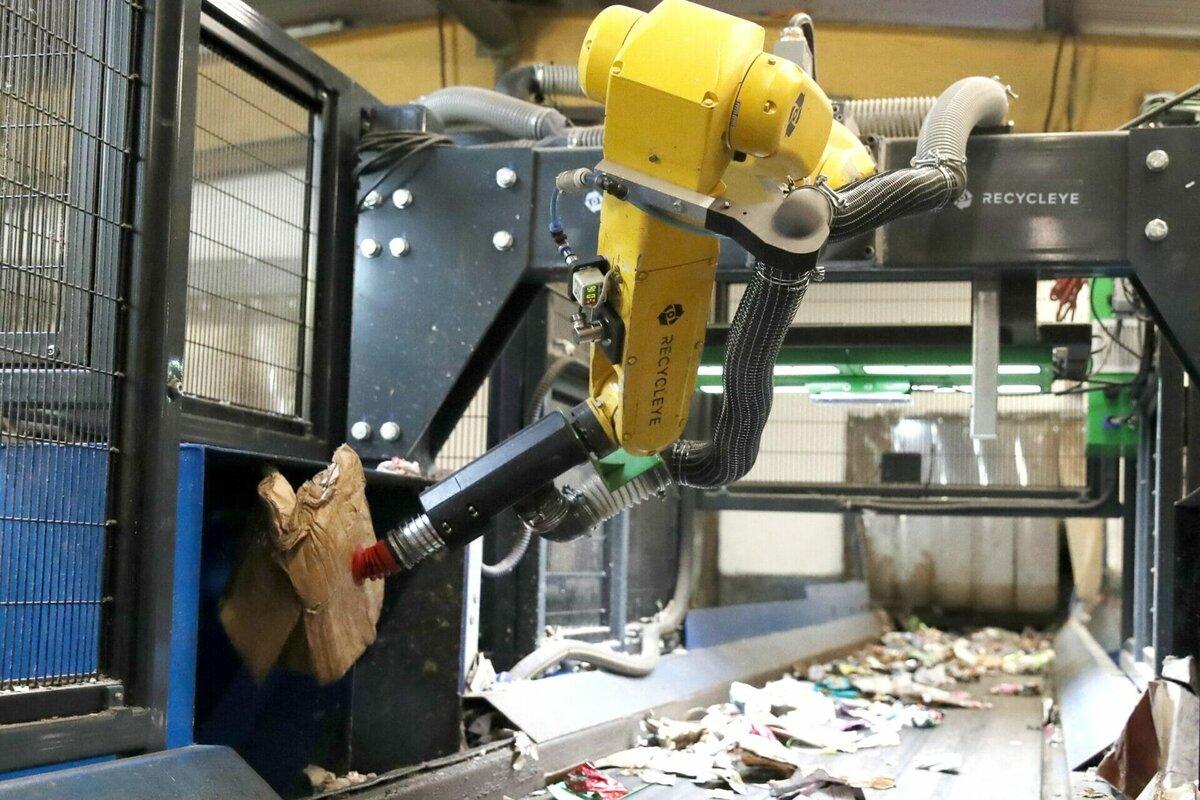
Its ECOFLAKE system combines high-resolution RGB CMOS cameras with Near-Infrared (NIR) technology to identify materials by composition and colour. A specialised belt-feeding system maintains a stable flow of shredded material, while high-speed pneumatic ejectors separate the identified fractions.
The technology is designed to sort materials commonly found in footwear, including rubber, EVA, PU, TPU, PVC and leather.
PICVISA states that the latest ECOFLAKE configuration can achieve sorting accuracy of up to 99.5%, with processing capacity of up to 2 tonnes per hour, depending on the material and system configuration.
The footwear trials also highlighted the limitations of current sorting technology. Rubber was among the materials most consistently identified, while separating EVA and TPU remained more challenging.
The results underline the technical complexity of recovering materials from multi-component footwear and the need for further improvements in automated identification and separation.
Image credit: PICVISA