


Atlas Turns Plastic Waste into 3D-Printed Building Components
What if plastic waste could become the structure of a building?
An MIT spinout, Atlas Building Composites, is turning low-grade plastic waste into durable construction components using waterless recycling, AI-powered robotics and large-scale 3D printing.
From waste to composite material
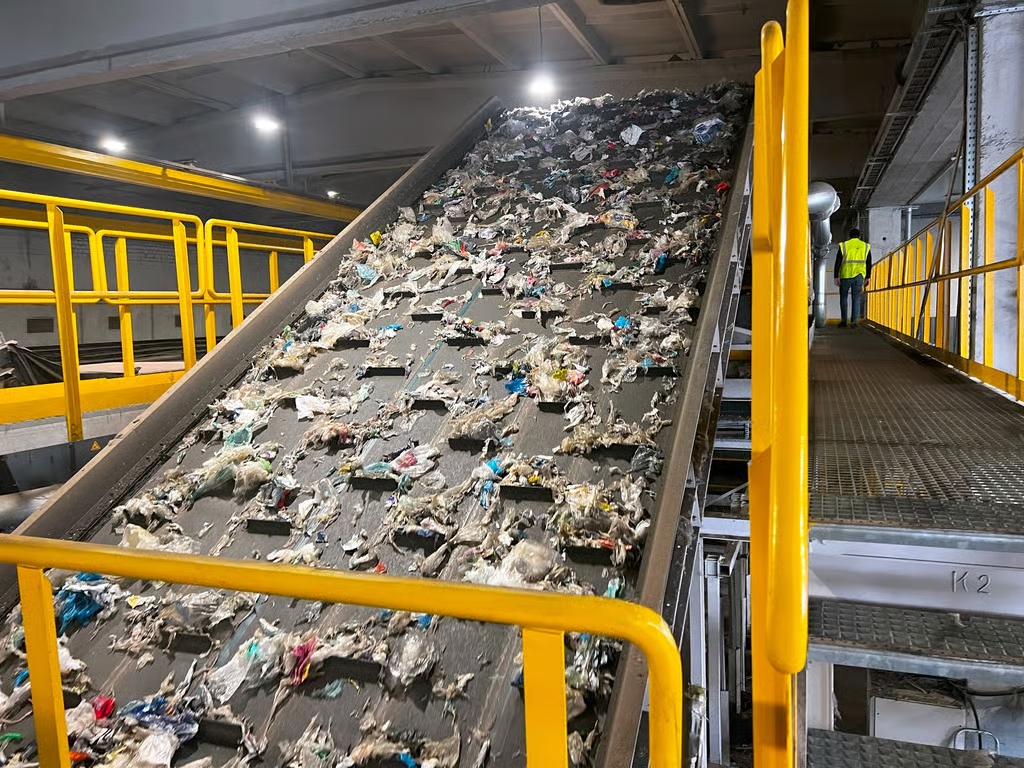
Atlas shreds low-grade plastic, melts it and combines it with fiberglass to produce a composite material. Large-scale 3D printers then manufacture structural components for homes, decks, roofs, floors and bridges.
The technology has already moved beyond the laboratory. Atlas supplied recycled composite trusses for a 40-foot bridge built by the U.S. Army Corps of Engineers in a Massachusetts wetland.
3D printing at scale
MIT research has demonstrated trusses that can be printed in under 13 minutes and support more than 4,000 pounds. Atlas says its factory systems are designed for production rates of 150–200 pounds of parts per hour.
Local recycling and manufacturing
The approach is also designed around local production. Small factory cells could process locally available plastic waste and manufacture construction components close to where they are needed.
From discarded plastic to 3D-printed structures, the technology points to a potential link between plastic recycling and the construction supply chain.