


Italy Opens Textile Recycling Plant with Capacity of 19,200 Tonnes per Year
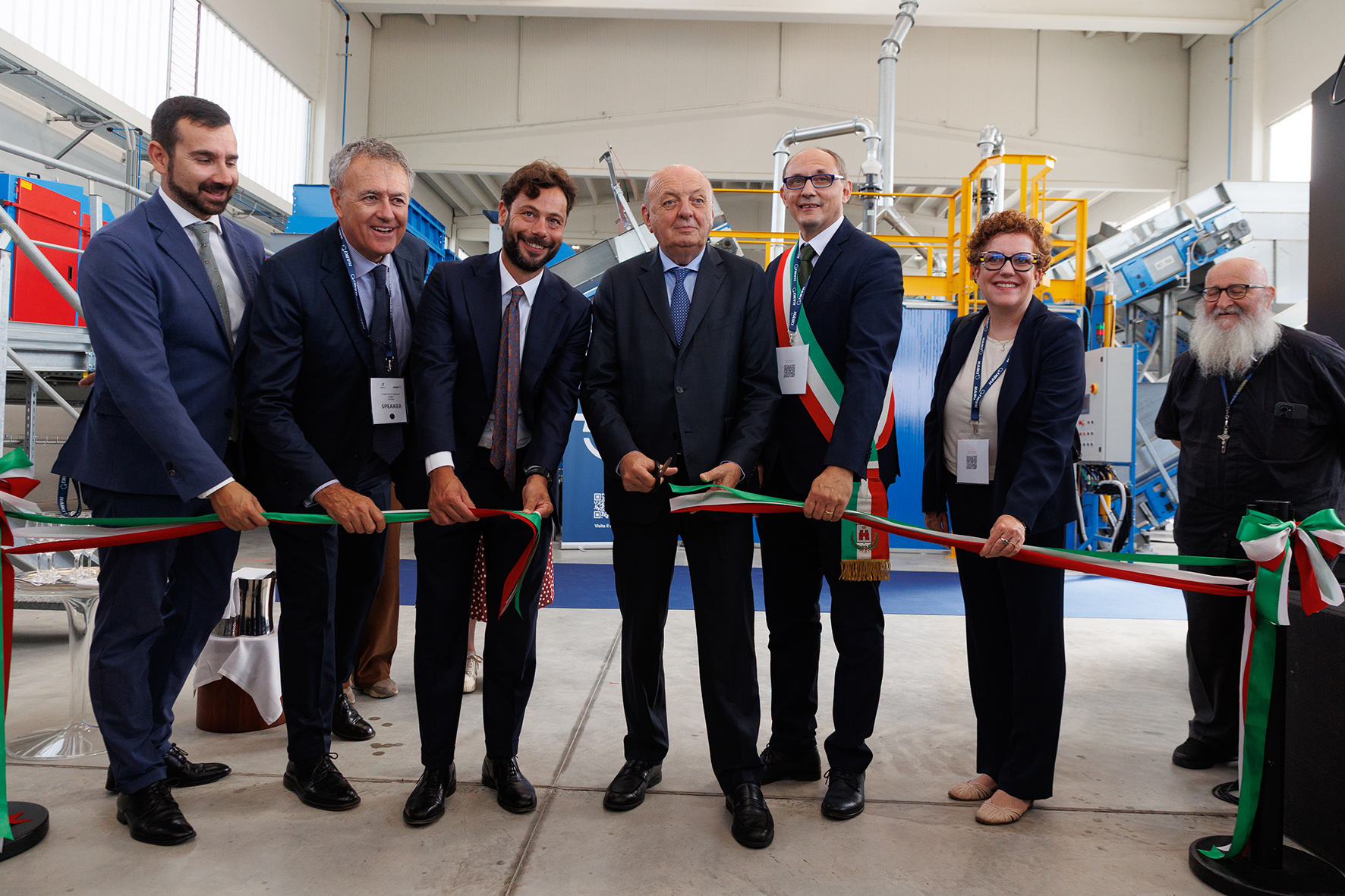
IGERS has inaugurated a textile recycling plant in San Pietro Mosezzo, Novara, designed to process post-consumer and post-industrial textile waste into flakes and frayed fibre suitable for the spinning industry.
The facility has a processing capacity of 4 tonnes per hour and is authorised to handle up to 19,200 tonnes of textile waste annually. The investment totals approximately €8 million, including €1.3 million in co-financing from Italy’s National Recovery and Resilience Plan (PNRR).
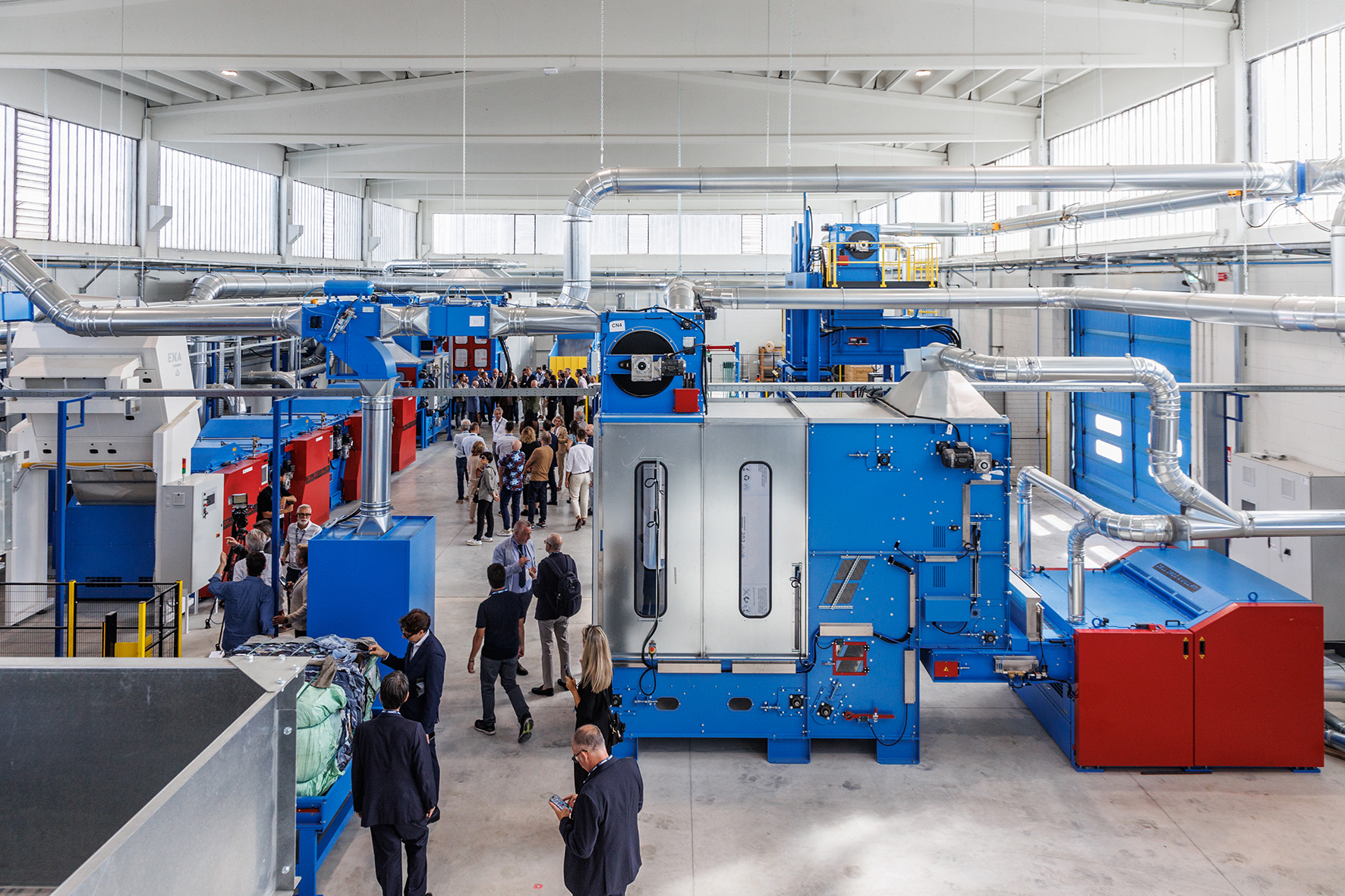
The plant integrates all treatment stages, from initial buffering and sanitisation to sorting, tearing and final material output. IGERS developed the process, which is covered by an Italian patent.
“The distinctive value of our process lies in the integration of impurity separation, technology-based material sorting, mechanical regeneration and digital traceability,” says Gian Luca Miceli, CEO of IGERS.
STADLER Designs Automated Sorting Line
STADLER Group acted as the plant engineering and sorting technology partner, supporting the project from process development and equipment selection to the layout designed around the existing building. STADLER integrated key treatment equipment procured by IGERS and designed and supplied the automated sorting line.
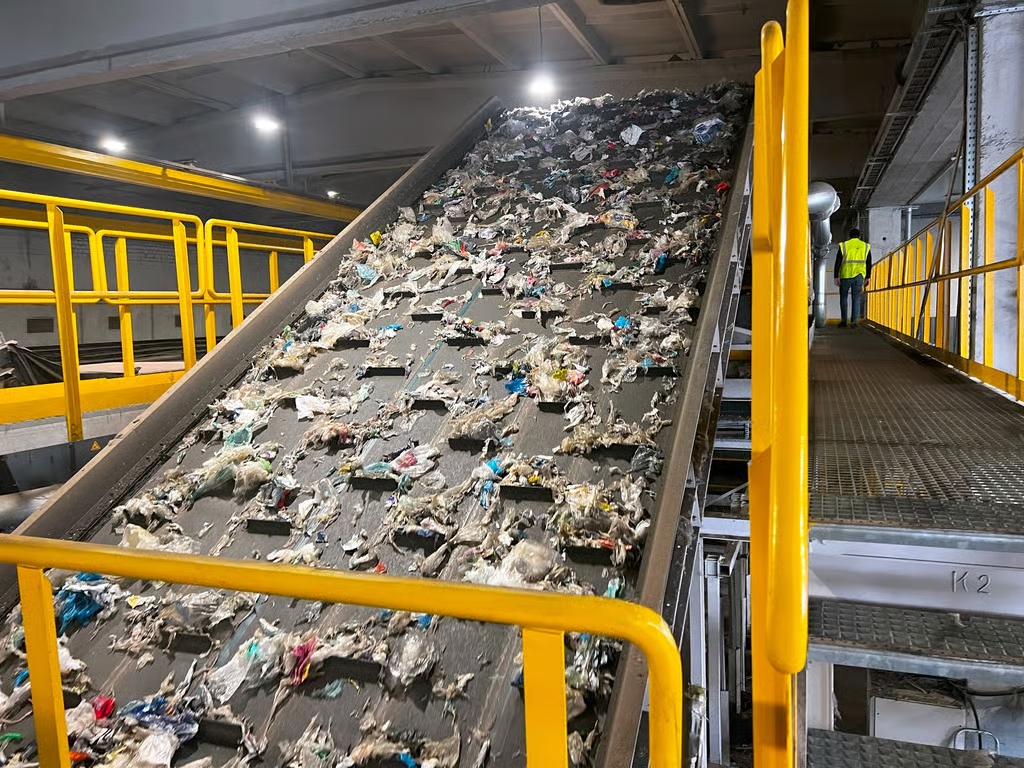
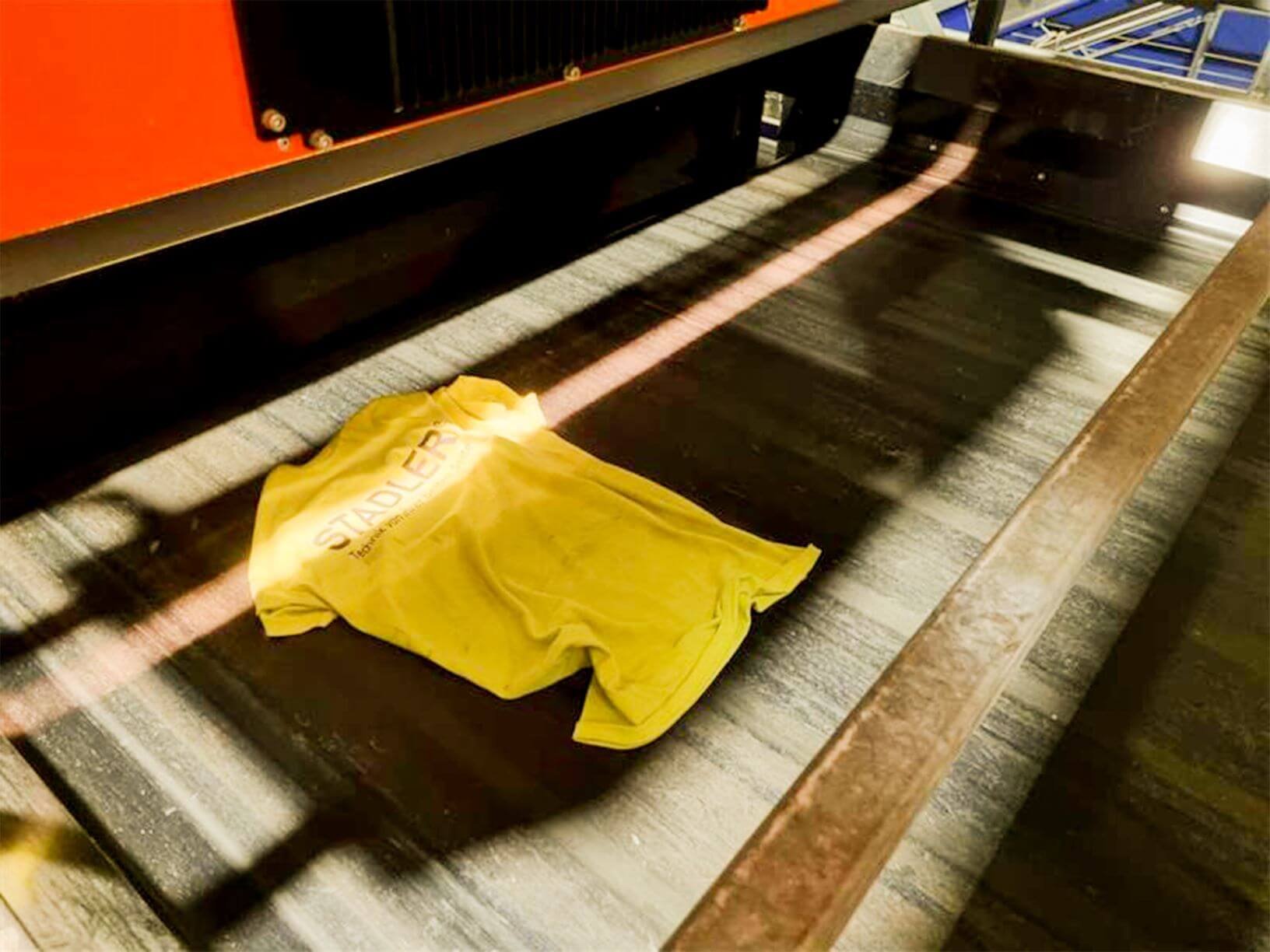
The line comprises two dosing units, two TOMRA NIR optical sorters and 16 conveyors. Handling textiles presents specific engineering challenges because fabrics vary in shape, size and composition and can fold, overlap or become entangled. Trials at STADLER’s Test Center, alongside tests and practical knowledge provided by IGERS, helped determine configurations for feeding, dosing, conveying and distributing the material.
Matteo Zaninelli, Project Manager at STADLER, describes the challenge posed by the material: “They are soft and flexible; they come in many different shapes and sizes; and they can fold, overlap or become entangled.”
Two-Stage NIR Sorting
The sorting process operates in two stages. The first NIR sorter separates pure textile fractions, such as 100% cotton or wool, from blended textiles and impurities. These higher-purity fractions are temporarily stored in a buffer.
The second sorter separates the remaining mixed textile stream from impurities and non-conforming materials, including hanger pieces and leather. Buffered material is then recirculated through the same sorting equipment, with the NIR systems configured to separate it by fibre type.
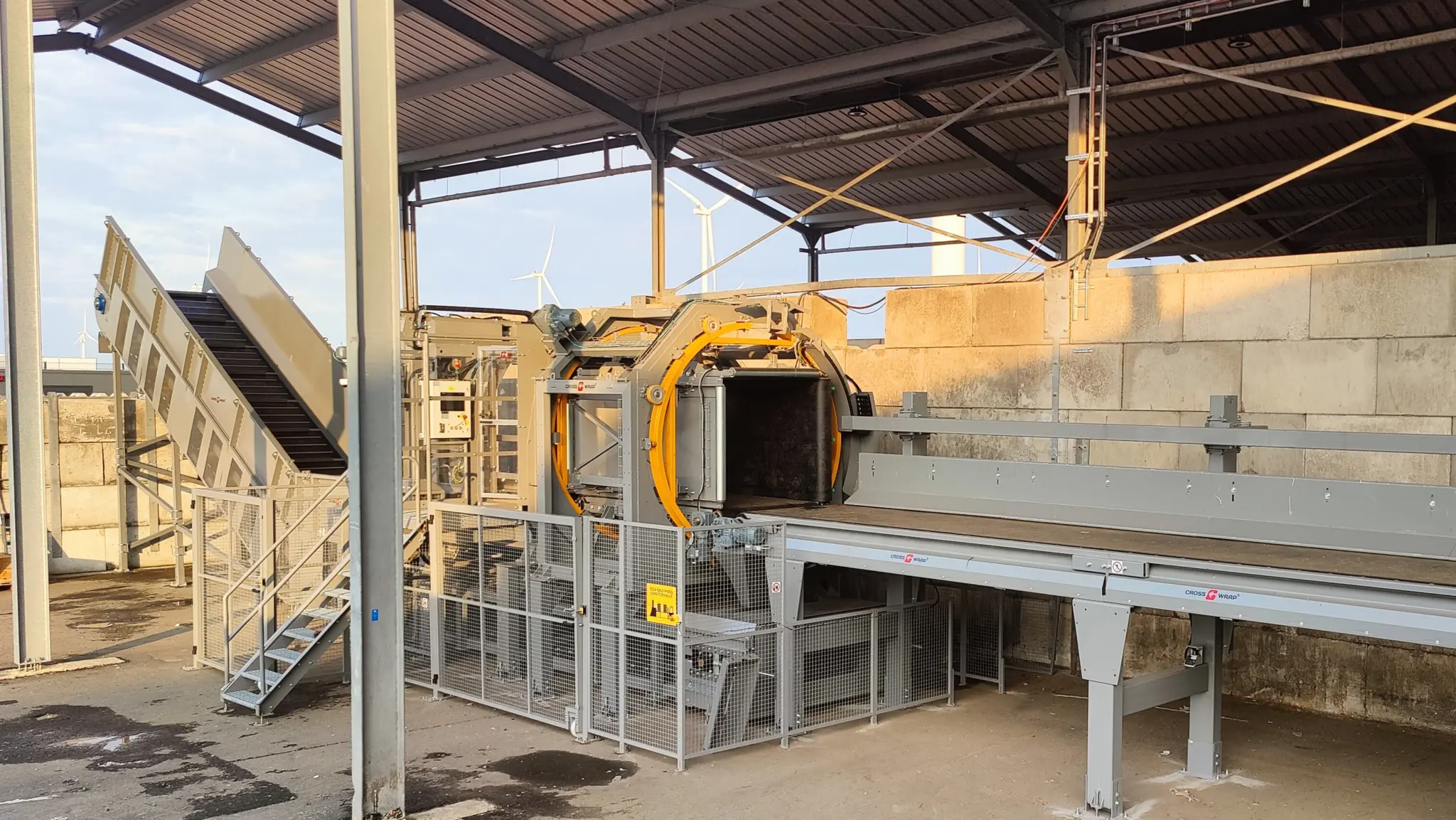
The line is designed to handle different incoming textile streams and sorting strategies. Output fractions can be directed to a baler, storage containers, a recirculation buffer or the fibre-opening process. The system is fully automated and requires one plant manager to start and stop the line and adjust the NIR sorter settings.
Preparing Textile Waste for Further Recycling
The facility comes as separate textile collection and Extended Producer Responsibility requirements increase the need for systems that can prepare textile waste for higher-quality recycling. A key technical challenge is producing consistent material fractions from heterogeneous waste streams so that downstream processes can use them.
As Zaninelli explains: “Ultimately, our job is not simply to separate textiles, but to provide downstream processes with the right material, at the right quality, and in a consistent way.”
IGERS has stated that it intends to develop additional recycling hubs, depending on material availability, regional requirements and demand for recovered fibres.
```