


Featured News
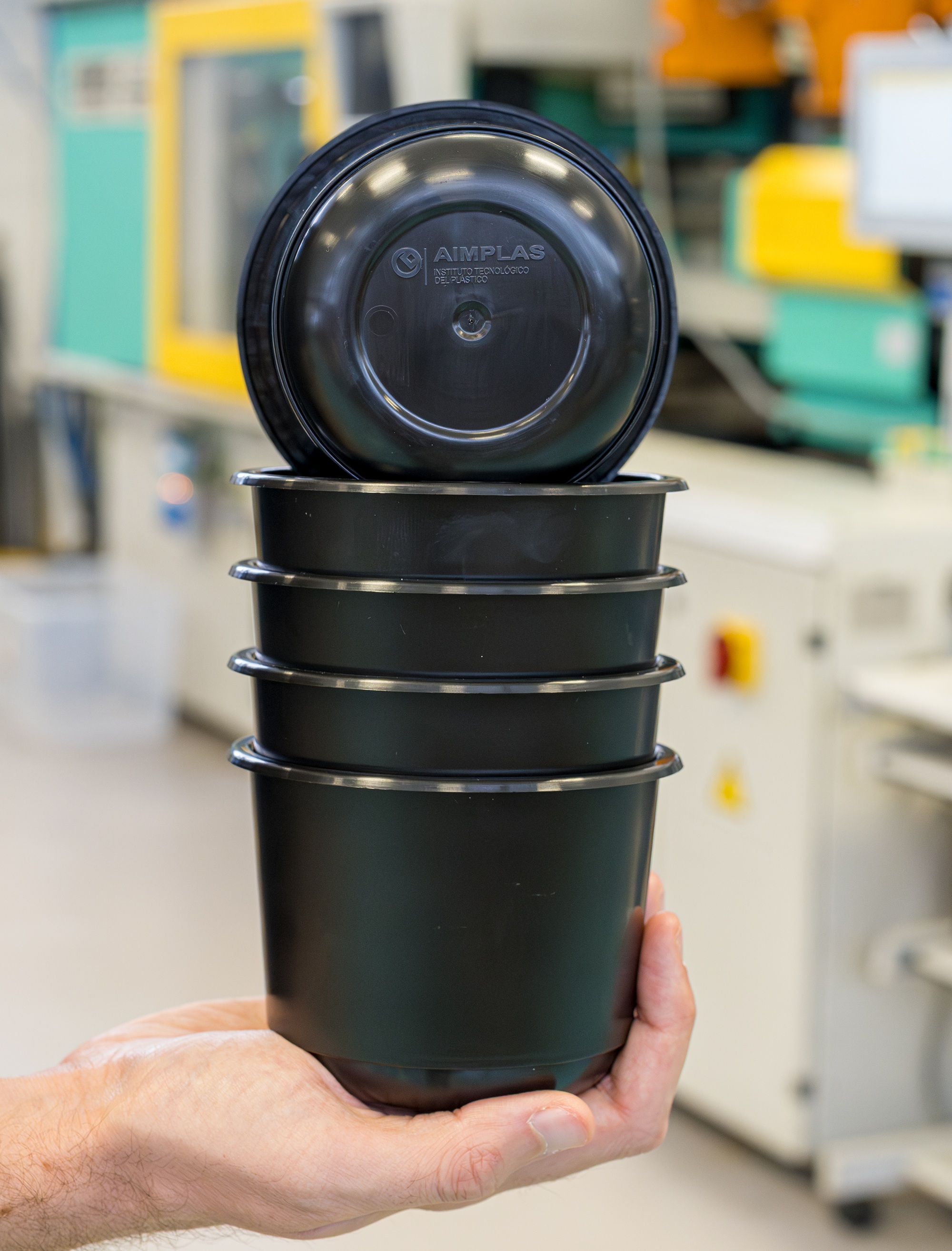
AIMPLAS Develops Digital Product Passport and Reuse Systems for Plastic Packaging
AIMPLAS · Technological Institute of Plastics is leading the VERSO project to validate plastic packaging reuse systems and develop practical applications for the EU Digital Product Passport (DPP).
...
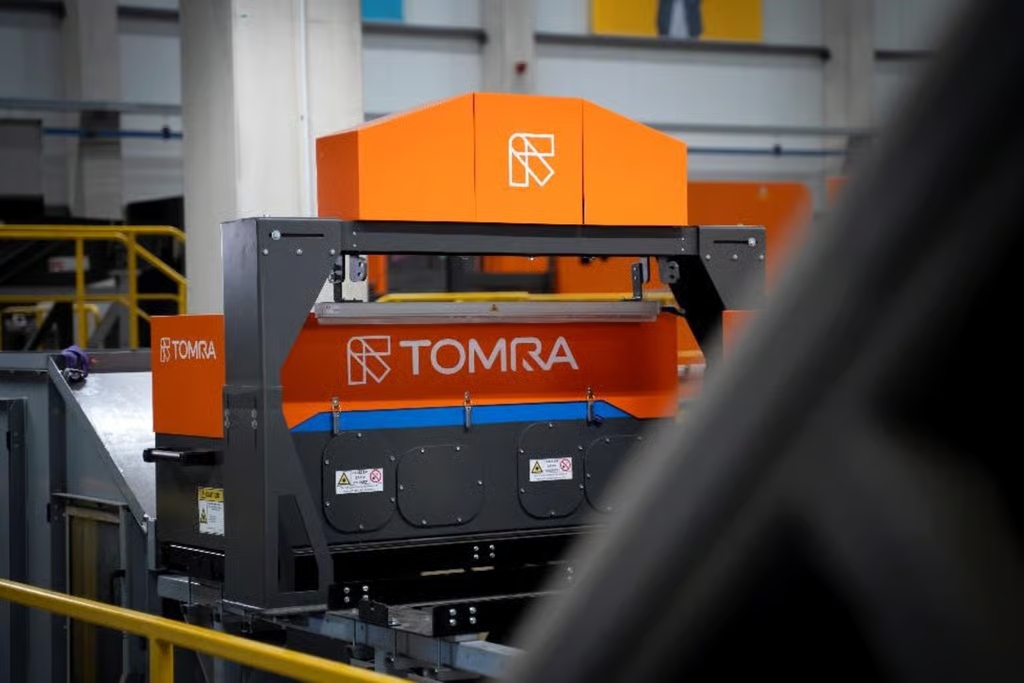
Sorting what the eye can see – and what it can’t
Recycling plants can identify and separate materials with increasing precision, but valuable fractions are still lost when operators lack real-time visibility into material flows, purity and process p...

Follow Us
Most View


Featured Videos
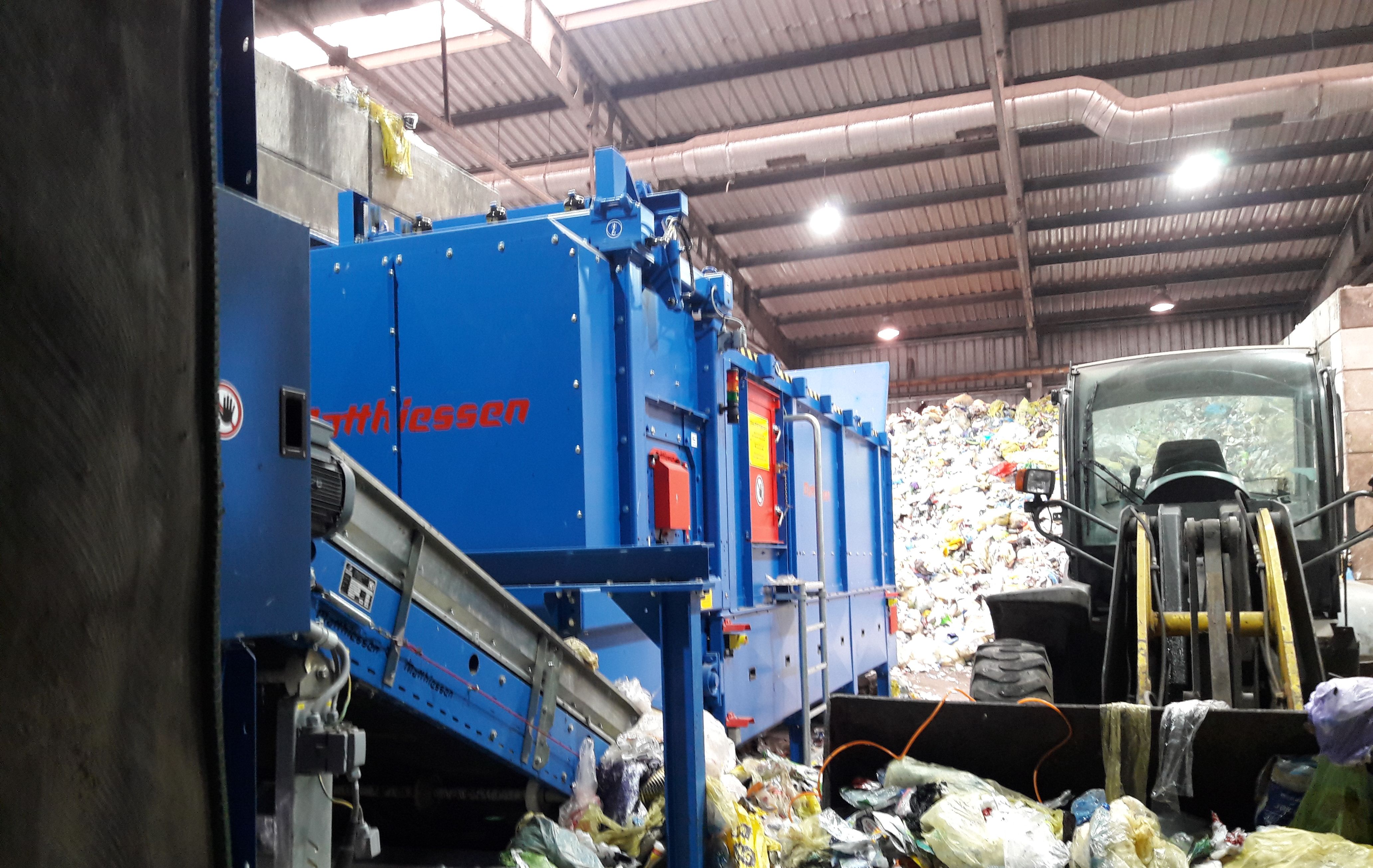
One bag opener. Different waste streams. Different tine configurations
In this video, Matthiessen demonstrates how the tine configuration of its Bag Splitter is adapted to different waste applications, from mixed municipal waste and light packaging to organic waste and p...
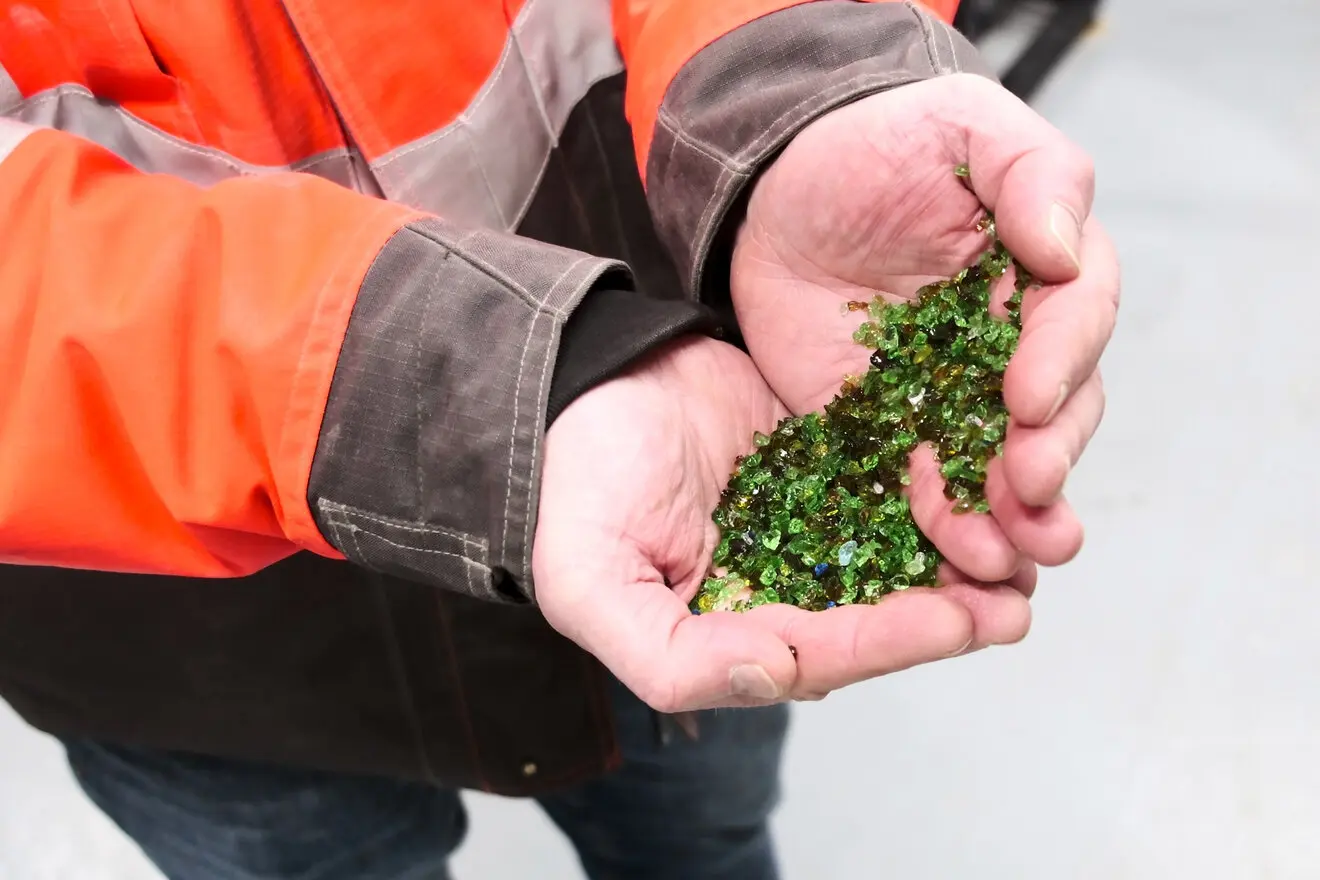
Water filters from recycled glass thanks to Dryden Aqua and MSort
How can waste glass become a high-performance filter for clean water? In Scotland, precision sorting helps turn green and brown recycled glass into AFM® (Activated Filter Media), a glass-based filtrat...
Economy
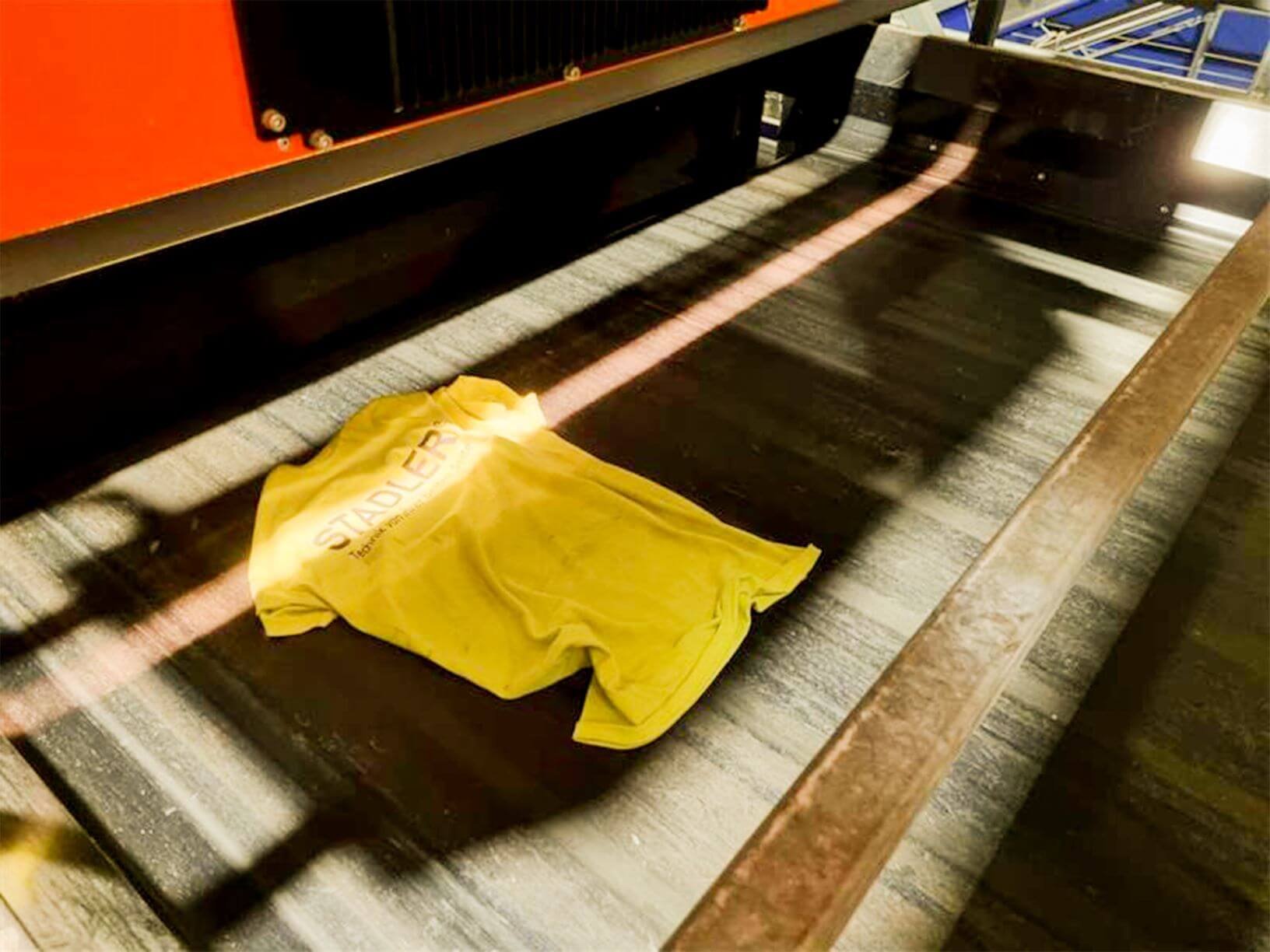
Who Will Buy Europe’s Recycled Textiles? The Demand Gap Behind the Recycling Boom
Europe is preparing to collect and process significantly more textile waste. But as recycling capacity expands, another question is becoming increasingly important: who will actually buy the recycled ...

Europe’s textile recycling problem is no longer just about volume. It is about economics.
The numbers are becoming harder to ignore. Let’s look at a few examples....
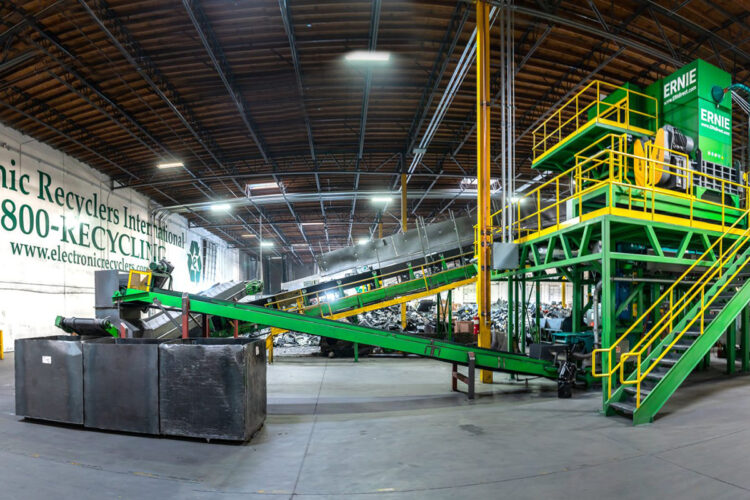
ERI launches India venture as part of major Asian e-waste expansion
US-based Electronic Recyclers International (ERI) has launched ERI India, a 50/50 joint venture with Indian recycler Eco Recycling Limited (Ecoreco)...

ISWA unveils first programme for 2026 World Congress in London
The ISWA International Solid Waste Association (ISWA) has released the first detailed programme for the ISWA World Congress 2026, which will take place 16–18 November at London's QEII Centre....
Sciense and technology

TeknTrash Robotics and Sharp Group Pilot AI-Powered Humanoid to Tackle Waste Sector Challenges
UK-based TeknTrash Robotics has partnered with environmental services provider Sharp Group to test ALPHA, an advanced humanoid robot designed to revolutionize waste sorting. The pilot at Sharp Group's...

Liverpool to Introduce HVO-Powered Waste Trucks Ahead of UK-Wide Food Waste Reform.
Liverpool City Council is preparing to deploy up to 36 waste collection vehicles powered by hydrogenated vegetable oil (HVO)—a major step towards meeting new UK-wide food-waste collection laws set to ...

RFID Tags: A Game-Changer for Battery Recycling?
Every year, improperly disposed lithium-ion batteries pose hidden dangers at waste processing facilities. These tiny power sources—sometimes no bigger than a coin—can spark fires, damage equipment, an...

Reducing plastic waste with AI and enzymes
Protein Evolution, a young biotech company that utilises biological processes to promote the transition to a lower-carbon, circular economy for materials and plastics, has announced the launch of new ...
Trends
Tadweer Group Starts Construction of 400,000-Tonne Waste Recovery Facility in Abu Dhabi
Tadweer Group has begun on-site works on a new material recovery facility in Abu Dhabi, developed in partnership with environmental services company Urbaser. The plant is designed to process 400,000 t...
AIMPLAS Develops Digital Product Passport and Reuse Systems for Plastic Packaging
AIMPLAS · Technological Institute of Plastics is leading the VERSO project to validate plastic packaging reuse systems and develop practical applications for the EU Digital Product Passport (DPP).
...
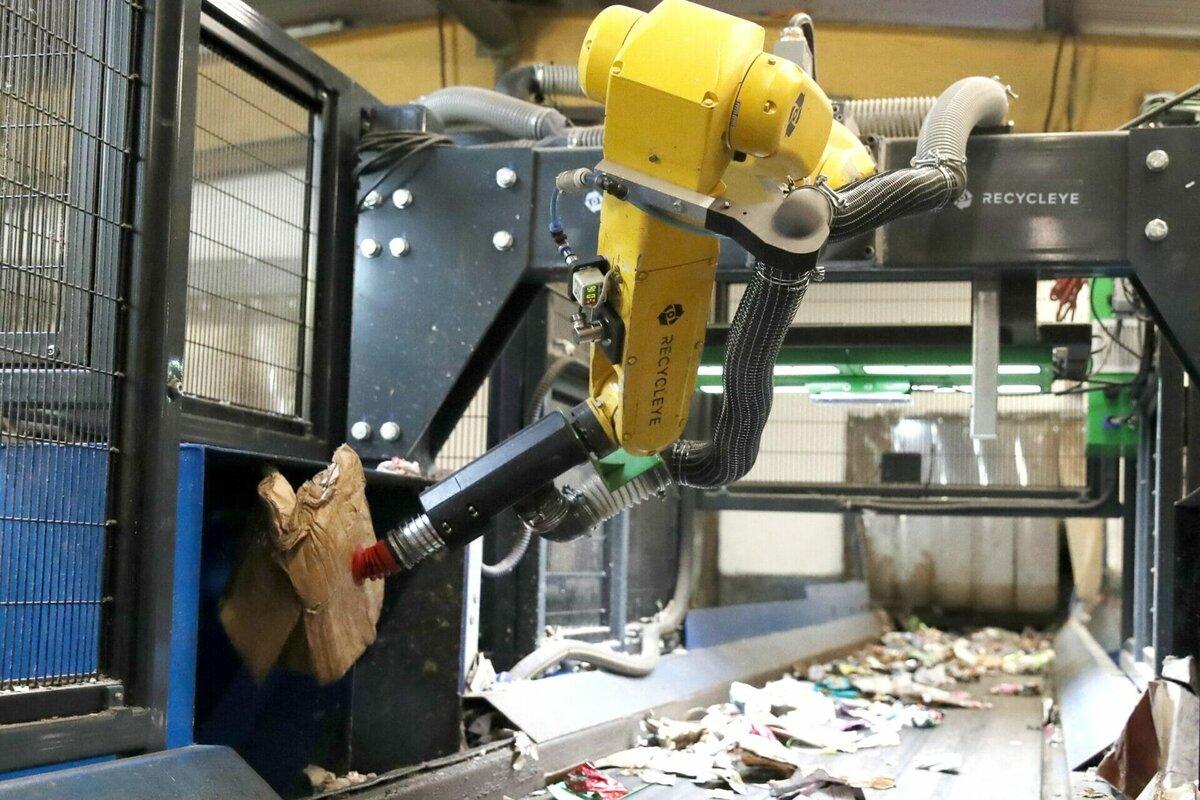
UK launches £3.6m robotics hub for waste and recycling
West London Waste Authority (WLWA) and Kingston University are partnering with universities, technology developers, waste operators and public bodies on a £3.6 million project to accelerate the adopti...

WRAP Launches New Programme to Transform UK Textile Collection
WRAP has launched a new programme to improve the collection, reuse and recycling of post-consumer textiles in the UK, with funding from NEXT, Primark and Tesco....
Equipment
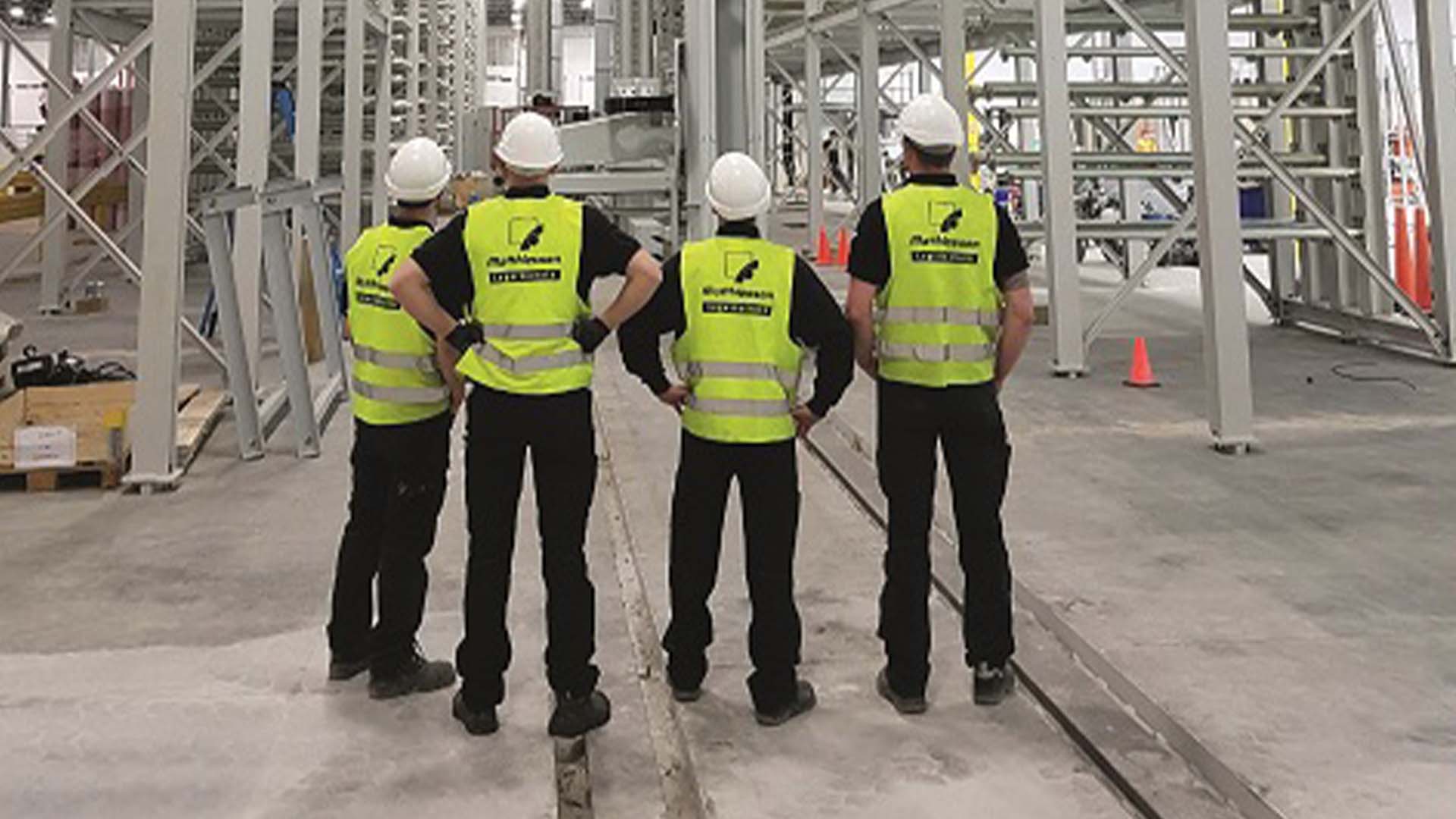
24/7 plant operation starts with one thing: reliable service
A recycling plant doesn't stop because production is inconvenient. Every hour of downtime means lost throughput, additional maintenance and increased operating costs.
...
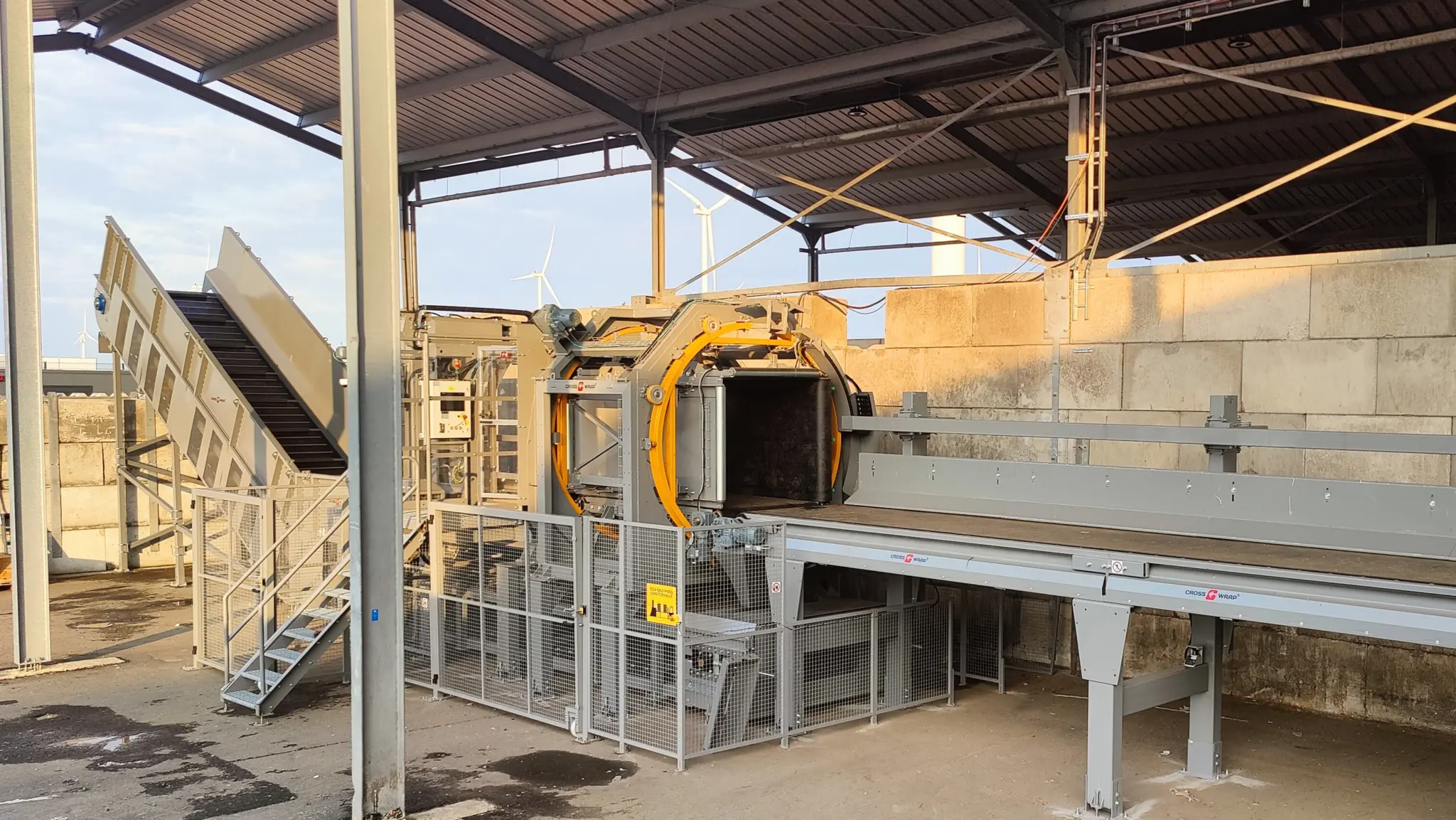
Cross Wrap Supplies Bale Dewiring System for Circulose Textile Recycling Plant in Sweden
Cross Wrap is supplying an automated bale infeeding and dewiring system for Circulose’s textile recycling plant in Ortviken, Sundsvall, Sweden, ahead of the planned Q4 2026 restart of commercial produ...
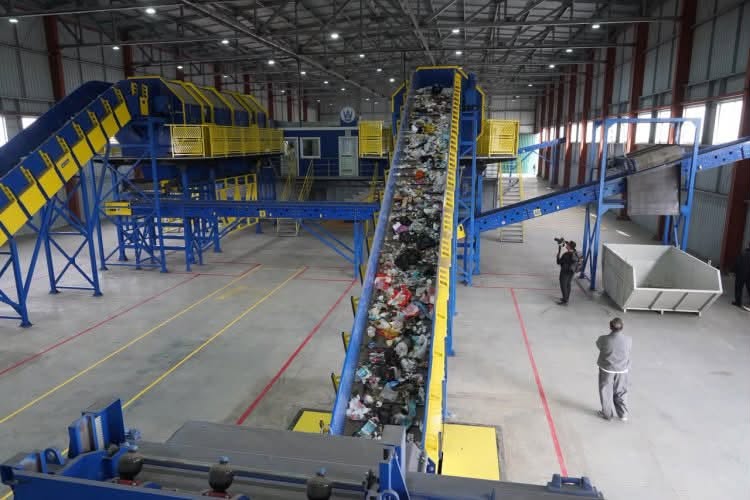
Matthiessen Bag Splitter in Kazakhstan’s New 150,000 t/y Sorting Facility
A new waste sorting complex with a capacity of 150,000 tonnes per year has opened in Pavlodar, Kazakhstan...
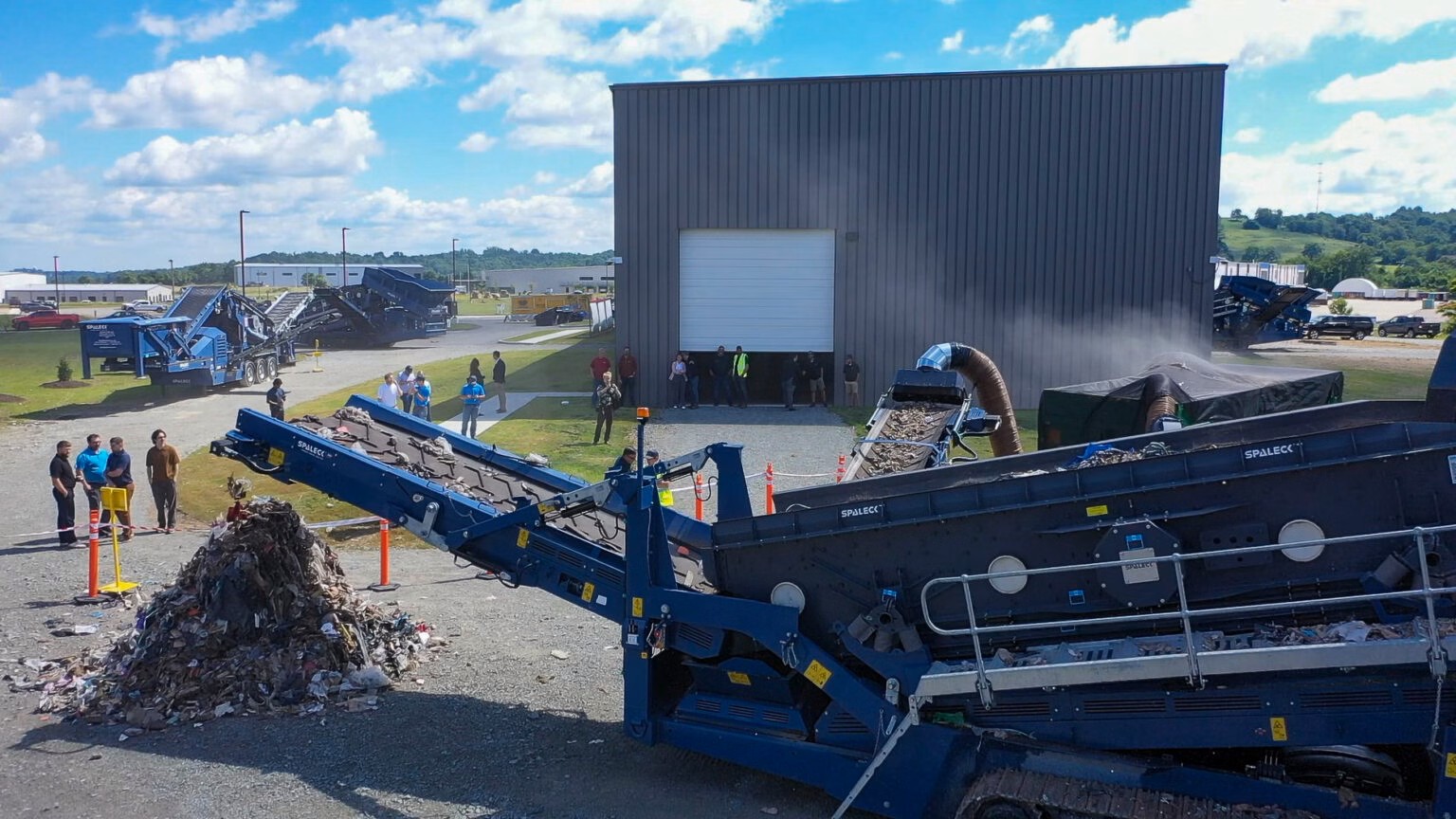
Lindner presents Urraco ECO mobile twin-shaft shredder
Lindner Recyclingtech has expanded its mobile shredding portfolio with the Urraco ECO, a new twin-shaft shredder designed for waste wood, green waste and commercial waste. The machine is positioned as...
Politics
Sorting what the eye can see – and what it can’t
Recycling plants can identify and separate materials with increasing precision, but valuable fractions are still lost when operators lack real-time visibility into material flows, purity and process p...
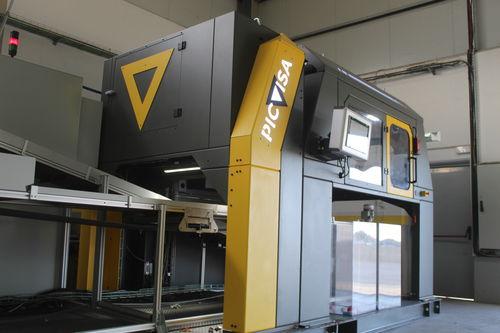
PICVISA Integrates Optical Sorting and Robotics for Fully Automated Textile Recycling
PICVISA will present an integrated textile sorting system combining its ECOSORT optical sorter with Girbau’s Sortech automated feeding and separation technology at ECOMONDO 2026 in Rimini, Italy. The ...

Full Agenda Announced for North America’s Leading Critical Minerals, Battery Recycling and E-Waste Events
More than 60 expert speakers will address key challenges facing the critical materials and resource recovery industries at Critical Minerals Expo North America, Battery Recycling Expo North America an...

CP Group develops AI platform to optimise recycling plant performance
CP Group announced POINT Operator Intelligence™ on 14 October, a platform designed to detect operational deviations at material recovery facilities (MRFs) and recommend corrective actions to improve t...
Most Popular
No item found!
Categories


Subscribe to Updates
Sed ut perspiciatis unde omnis iste natus error sit voluptatem accusantium.